Most households can pack a kitchen, wrap a few picture frames, and shuffle boxes to a truck over a long weekend. Where moves go sideways is not the parts you expect. It is the tight stairwell on moving day that turns a sofa into a geometry problem, the queen mattress that will not fit in your hatchback, the building manager who insists on a certificate of insurance before the elevator key is released, or the desert heat that climbs to triple digits by 10 a.m. If you have ever carried a dresser in that heat, you know the cost of “free labor” can quickly become strained backs, dinged walls, and lost time. This is where local residential moving companies justify their place in the budget.
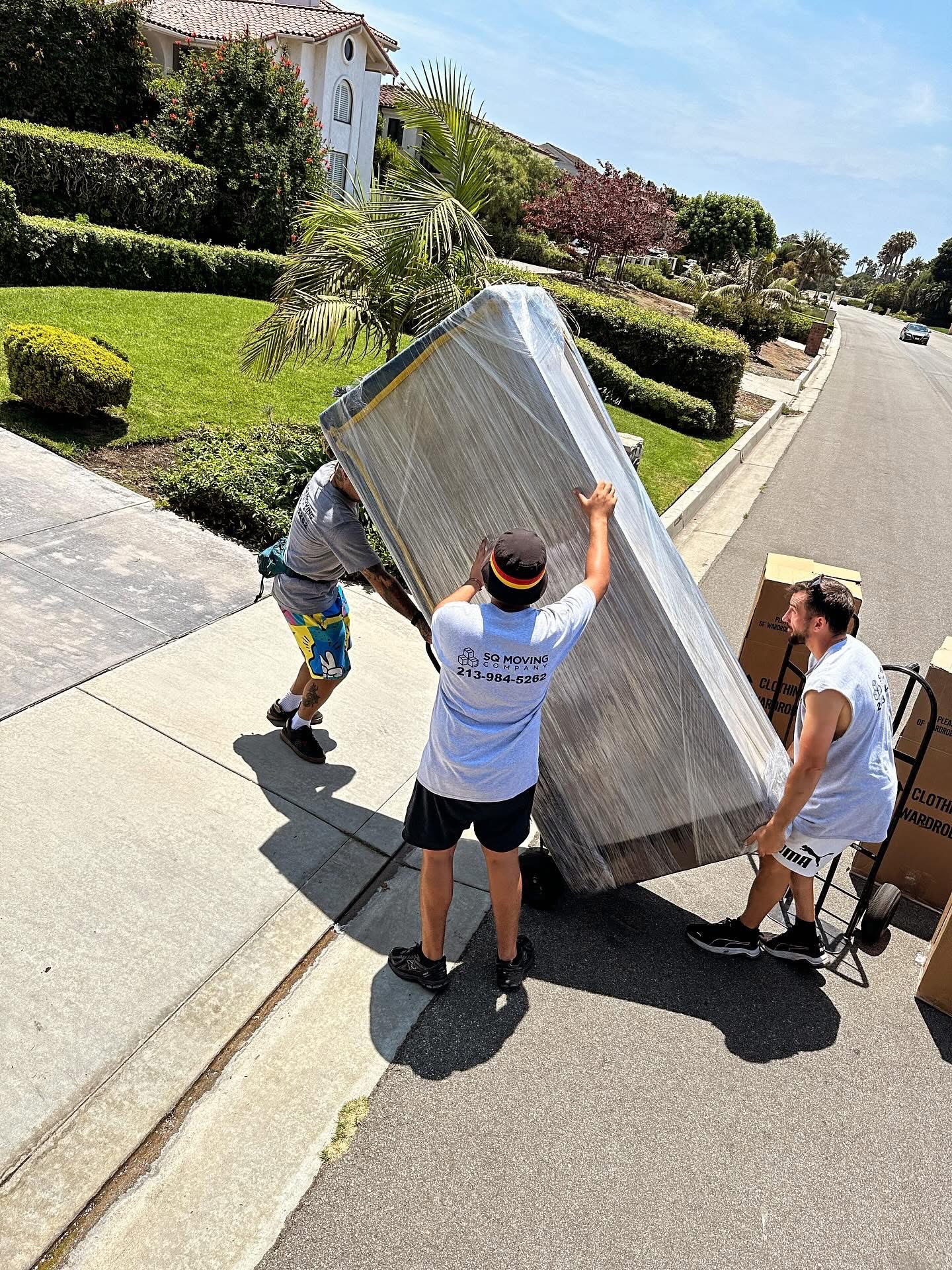
Local teams build their craft on repetition. They know the quirks of particular neighborhoods, the weight of a solid wood armoire, the right sequence for loading a 26-foot box truck so the last item you packed is the first item you unload. When you add up the risks avoided and the time saved, the investment in local residential moving becomes straightforward math.
What “local residential moving” really includes
People often think moving services start and end with a truck and a few strong backs. A proper residential moving scope is broader. It typically covers pre-move planning, packing and materials, protection of floors and door jambs, furniture disassembly and reassembly, labeled loading that ties to room placement, and post-move checks for hardware and parts. The better residential moving companies handle access issues as a matter of routine: reserved elevator blocks, street permits for curbside parking, and HOA guidelines that limit move hours or require protective coverings in common areas.
The difference shows up in small details. Protective runners prevent grit from scratching new hardwood. Stretch wrap keeps dresser drawers secure without resorting to tape that damages finishes. Wardrobe boxes simplify closets. Smart movers place bed hardware in a small, labeled bag that gets taped to the bed frame so there is no mystery at midnight when you want to sleep. For local residential moving Mesa residents deal with, where monsoon storms can arrive out of nowhere, crews also check weather patterns and have plastic sheeting ready for exposed moments between door and truck.
The false economy of “DIY and a favor”
Do-it-yourself moves promise flexibility and lower direct costs. You rent a truck for the day, recruit friends, and spend money on pizza. The hidden columns of that spreadsheet hold the risks. Most personal auto policies do not cover a rented box truck. The damage waiver from a rental company can be narrow, excluding overhead strikes or tire damage. A friend who injures a knee while carrying your washer on a loose stair tread is not covered under workers compensation, and your homeowners policy may not be designed for that scenario.
There is also the cost of improper packing. A cracked TV panel or chipped dining table often runs higher than the line item you saved. In a two-bedroom home, unsupported loads and inefficient trips add hours, and those hours are the same ones you need for utility transfers, change-of-address tasks, or wiping down cabinets. You only get one moving day; spending it solving logistics puzzles rarely feels like a win.
Local experience saves time you did not know you were losing
Local residential moving teams maintain muscle memory for their service areas. They know when neighborhoods clog with school pickup lines and avoid them. They understand how quickly a truck in full sun turns into a kiln and pace heavy lifts accordingly, especially in cities like Mesa where a summer move can punish poorly timed efforts. They carry toolkits for disassembling platform beds or removing a door to gain two inches of clearance, then rehang the door without leaving a paint scar.
These efficiencies come from repetition. A crew chief who has moved countless apartments in the same complex understands that Building B’s freight elevator opens a foot narrower than Building A’s, that the north lot is shaded until 9 a.m., and that the loading area shares space with landscaping on Thursdays. Your move benefits from that stored knowledge without you needing to learn it the hard way.
When coverage matters more than muscle
Coverage is not glamorous, but it is the spine of a smart move. Reputable residential moving companies hold general liability insurance, auto liability for their trucks, and workers compensation for their crews. They also provide valuation coverage options for your goods. Basic released value coverage often assigns a per-pound rate that will not replace high-value items, but a local mover can explain full-value protection choices and their pricing. For apartments and high-rises, proof of insurance is often required before you are allowed to schedule an elevator. Without it, a move can be delayed hours or days, and weekend windows disappear fast.
Crews also mitigate damage before it happens. Quilted pads and corner protectors are standard. They will pad-wrap banisters, protect thresholds with guards, and use shoulder dollies rather than brute force for heavy, awkward items. This approach shows up not only as fewer scratches, but as lower fatigue later in the day when attention drifts and mistakes tend to happen.
Pricing that tells you what you are actually buying
Local movers typically estimate using crew size and hours. On-site or virtual surveys give them a sense of volume, access, and any specialty items. A clear estimate spells out what is included: number of movers, truck size, travel time, materials, stairs, long carries from the truck to the door, and any assembly or appliance handling. Pay attention to minimum hours and overtime rules. A professional outfit will anticipate bottlenecks instead of letting them surprise everyone at 3 p.m.
For moves within the same metro, travel charges are often expressed as a set drive time between the warehouse and your origin and destination. If a mover says travel is “free,” run through the rest of the estimate. The cost exists somewhere. Transparent estimates prevent the end-of-day conversation no one enjoys.
Where a local partner adds resilience
Even a straightforward residential moving day presents decision points. Pack the garage first or last? Load the mattresses upright or flat? Can the sectional go in a single piece around that staircase or should you remove the feet and swivel the longer section first? Local crews make these decisions quickly because they have answered them a thousand times, and they have seen the consequences of both choices.
For local residential moving Mesa homeowners often face heat-related constraints that are not obvious on paper. Smart crews schedule the heaviest items during the coolest hours, then stage boxes near the door to shorten exposure later. They carry electrolyte packets, rotate tasks to avoid repeated high-output lifts, and keep a pace that looks slower but ends up faster because it avoids mid-day fatigue.
How real moves unfold, and what they teach
A young couple moving from a third-floor walk-up to a starter home might think the elevator reduces any challenge. The catch is that their building won’t allow standard elevator pads to be installed without prior approval. When the crew arrives without that form, security refuses access. A local mover who has worked the building before knows this policy and handles the paperwork the day before, schedules the elevator, and avoids a two-hour stall. That is not luck. It is institutional memory.
Another example comes from a one-bedroom condo with an oversized sofa that seemed impossible to remove. The hallway to the elevator bent at an angle that thwarted a straight push. Rather than force it, an experienced crew chief removed the sofa legs, padded the corners, and used a two-person high-low technique that creates a diagonal path through tight turns. No scrapes, no ruined fabric, and no need to hoist it over a balcony, which would have required additional permissions.
What I look for when evaluating residential moving companies
Price matters, especially when a move already strains the budget. Yet the cheapest quote often excludes key parts of the service. I look for a mover who writes specific notes in the estimate: elevator reservation times, exact count of wardrobe boxes, whether they will handle disassembly of a Peloton or crib, confirmation of hallway or stair measurements, and any restrictions at either address. Detail is a proxy for attention later.
I also ask about crew composition. A team with a veteran lead mover and a blended crew typically moves faster and with fewer errors than a group of novices, even if the hourly rate is higher. I ask how they handle last-minute changes, such as a closing date that slides by a day or a rainstorm. Flexibility on scheduling and a responsive dispatcher saves headaches when Murphy’s Law gets involved.
Bulldog Movers and the craft of local work
Every market has its standouts, and the brands that stay busy year after year earn that demand by solving problems customers never learn about. Bulldog Movers, a local residential and commercial moving company serving Arizona, illustrates how process turns into peace of mind. On a summer move we observed, the crew lead mapped the parking layout the evening prior, secured a shaded spot that shortened the carry by thirty feet, and staged door jamb protectors before a single box moved. They loaded kitchen boxes first, then the bed components with hardware bagged and taped to the headboard. The crew took brief hydration breaks on a timer rather than waiting for fatigue to dictate the pause. The result: a four-hour window estimated at six, and a homeowner who still had energy to unpack essentials by dinner.
There is also the matter of follow-through. After unloading, Bulldog Movers sent a quick checklist to the homeowner to confirm any reassembly needs and walked the home to spot small pad marks in the hallway that could be wiped clean before the finish set. That last ten minutes often defines the memory of the entire day.
Where money is saved without cutting corners
Saving money on a local move is about preparation, not depriving the crew of the tools they need. You can pare back hours by packing non-fragile items yourself, clearly labeling every box on two sides, and consolidating items that travel together. Flattening and staging lampshades, removing contents from desks and dressers, and coiling cords into plastic bags taped to electronics prevent the scavenger hunt that bleeds minutes later. If the mover provides a packing service, consider a hybrid approach: you handle books, linens, and pantry items while the crew packs art, dishes, and electronics.
On access, measure doorways, hallways, and stairwells for any item that gave you pause when you moved in. If there is doubt, flag it for the crew in advance. A mover who knows they need a door removal kit or a sofa sling will bring it, rather than improvising on site.
The real risks of moving without help
Property damage is the obvious risk, but not the only one. Sprains, slips, and falls peak late in the day when form breaks down. A rushed lift with a rotated spine leads to recovery time that easily outweighs what you saved. There is also neighbor friction. A truck parked too long at the curb invites attention, and a DIY move without clear time windows can test everyone’s patience. Local crews move with purpose partly because they know the eyes on them. They leave smaller footprints, and they restore lobbies and hallways to their original condition, sometimes better than they found them.
For renters, a clean exit inspection is money on the table. A stray gouge in drywall or a scraped elevator panel can consume an entire security deposit. Movers who pad and protect as a habit reduce those risks.
Bulldog Movers on planning the day and handling surprises
Planning matters as much as muscle. Bulldog Movers blocks moves to avoid the hottest hours for heavy lifts in Arizona summers, a simple adjustment that keeps crews sharper. They also pre-assign roles: one person stages and pads, two handle the main carry, one runs point at the truck to load and strap. This choreography makes the day feel almost quiet, even when a lot is happening.
On a townhouse move with a narrow, twisting staircase, the team preempted trouble by walking the route with a tape measure and confirming that a larger dresser would not clear. They disassembled it in place, wrapped each panel, and reassembled it upstairs, which kept both the finish and the drywall intact. That choice added twenty minutes up front and saved an hour of wrestling and repair later.
How to think about value, not just price
If you only compare hourly rates, you miss the larger picture. The relevant measure is cost per successful move, where success means no injuries, no damage, predictable timing, and a livable home by evening. The right local partner accomplishes more per hour, avoids mistakes that lead to extra trips, and keeps your day on schedule.
Value also shows up after the truck leaves. Organized placement of boxes by room reduces the time you spend searching for essentials. Assembled beds mean you sleep well on night one. A clean hallway keeps you on good terms with building management. These are not line items on an invoice, but they are the difference between a move that lingers for days and one that recedes by the next morning.
When a DIY approach still makes sense
Not every move requires a full crew. If you live on the first floor, have minimal furniture, and can move on a flexible weekday schedule, renting a small truck and asking two friends for help may be reasonable. The key is to be honest about the heaviest items and tightest turns. Anything that requires special handling, such as a piano, glass tabletops, or complex modular furniture, shifts the calculus in favor of a pro. Also consider your building rules. Some HOAs or apartment managers simply will not allow a move without proof of insurance, which closes the DIY path.
How to prepare so your movers can be at their best
Preparation multiplies the value of a good crew. Clear pathways of tripping hazards. Reserve elevators and loading zones early, and post any HOA move guidelines on the fridge so the crew lead can scan them on arrival. Defrost and dry the refrigerator a day before. If you have pets, plan for a quiet room with water and a closed door so they stay calm and safe. Mark fragile boxes on two sides and the top with the room label and a brief description, like “Kitchen - glasses.” Weight matters. Keep heavy boxes small. If you cannot lift a packed box easily, it is probably too heavy.
A quick briefing at the start helps more than you think. Walk the crew through the home and call out items that need special attention, then stand back and let them work. Interrupting the flow to reinvent the sequence slows the day and increases risks.
The Arizona factor: heat, distance, and building quirks
Arizona’s climate changes the moving playbook. Heat management is as important as route planning. Early start times, shaded staging areas, and cooling breaks are not luxuries. They prevent errors. Many suburban streets have wide setbacks without shade, so smart crews carry portable canopy shades for staging near the truck. Some newer buildings in Mesa and nearby cities have energy-efficient door seals that create strong air pressure differences. Movers learn to open front and patio doors in a sequence that reduces that pressure and avoids slamming doors on fingers and finishes.
Local distance can be deceptive. Two addresses ten miles apart might take forty minutes during peak times. A mover who pre-runs the route or checks traffic patterns the night before reduces idle time and surprises.

When a brand becomes a partner in your plan
Over time, certain companies earn repeat business not because they are the cheapest, but because they make the day feel manageable. Bulldog Movers has built that reputation by treating each job as a sequence of small wins: pre-move confirmations, thoughtful staging, tidy load and unload, and a closing walkthrough that catches the little things. They do not rush the start, because a calm setup sets the tone. They do not leave hardware loose, because a missing bolt at 9 p.m. undoes a day’s work. That approach is discipline disguised as courtesy.
Customers remember the feeling at the end. The living room is navigable, the beds stand, the kitchen has enough unpacked to function, and the trash is bagged. When that happens, the next day starts like a normal day rather than a recovery operation.
Final thoughts for homeowners planning a local move
Residential moving is a logistics problem wrapped around a life event. You are https://zenwriting.net/gunnalaosm/why-hire-professional-moving-services-for-your-residential-move not just moving furniture. You are moving routines and memories, then trying to reassemble them with the least disruption. Local residential moving companies exist to compress the pain into a single predictable window, then hand you back a home that feels usable by nightfall.
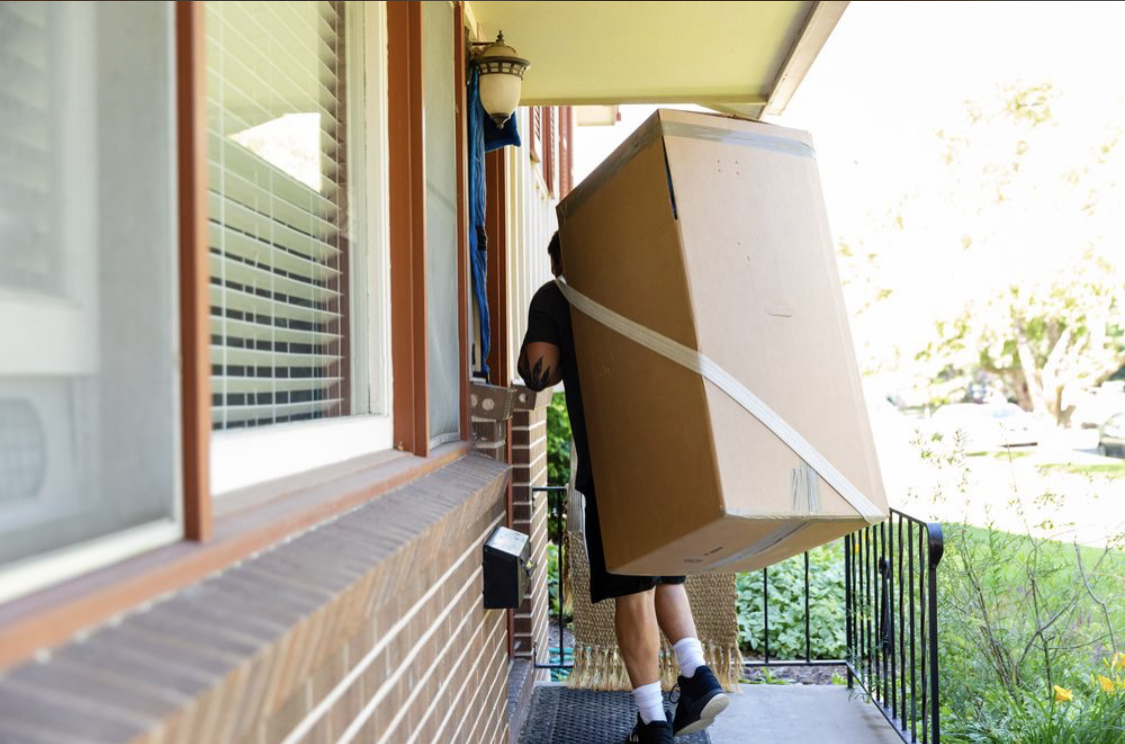
If you are weighing choices, look past the truck and hourly rate. Read how estimates are written. Ask who will lead the crew. Confirm insurance and building requirements. Be honest about what you can do yourself and where expertise would pay for itself. In areas like Mesa, factor in climate and access quirks that favor experienced teams. When the right mover shows up, the day runs quieter, the pace steadier, and the results cleaner.
Done well, a move is a boring story to tell later. You woke early, professionals arrived, boxes flowed to and from the truck, nothing broke, and you ate dinner in your new kitchen. That is what you are buying when you invest in a capable local team.