Moving across town in Mesa sounds simple until you start counting stairs, doorways, and summer heat. The difference between a smooth move and a long, frustrating day usually comes down to planning, local know-how, and how well your team handles the unexpected. That is where local residential moving pays for itself, not only in saved time but in fewer broken items, cleaner logistics, and a calmer experience.
Mesa’s neighborhoods each have their own rhythm. Downtown walk-ups behave differently than single-story homes in Dobson Ranch. Retirement communities in East Mesa can have access guidelines that change by season. A mover who spends every week in these pockets of the city learns the quirks you do not see on a quote or a checklist. That familiarity translates into fewer surprises on moving day, which is exactly what you want when your life is packed inside a truck.
Why local residential moving in Mesa feels different
Mesa offers wide streets, but it also offers gated complexes with tight turns, HOA rules about truck parking, and mid-day heat that punishes anyone lifting for hours. Local residential moving services build schedules around those variables. For example, crews often load early, pause during peak heat, then finish placement as the house cools again. They know which apartment elevators reset their timers too quickly and require an extra hand to keep doors open. They bring floor protection that works on Salt River Valley dust, not just a generic runner that slips on tile.
There is also the matter of distances that appear short on a map but bog down because of construction near the Loop 202 or a weekend event around Mesa Arts Center. Local crews plan routes that avoid those bottlenecks, protecting your schedule and your perishable items. If you are hiring residential moving companies from out of town, they might not anticipate these patterns, and you end up waiting on the curb with a couch on a dolly.
The practical math: time, risk, and replacement costs
People tend to judge moving services by the hourly rate, which ignores the two biggest cost drivers: damage and delays. A staggered move that takes two days instead of one can force you into an extra night of lodging or lost work time. A broken antique mirror carries both a financial and emotional cost. Local residential moving Mesa teams reduce both categories by closing the knowledge gaps that cause them.
In my experience, the most common preventable damages in residential moving are doorframe scuffs, crushed corners on particleboard furniture, and cracked glass from quick turns or poorly filled voids in cartons. A seasoned Mesa crew pads doorways automatically, disassembles tricky items like platform beds or modular couches rather than forcing them, and uses packing paper to eliminate voids that shift on bumpy stretches near construction zones. Those habits are not fancy, they are learned through repetition in the same streets.
The other place the math is obvious is in the number of trips. Local moving services tend to own a range of truck sizes, then pair them to the layout of your home and the approach to your driveway. That is how you avoid the half-load, half-empty problem that wastes time. With the right truck and an accurate inventory, most three-bedroom Mesa homes can be moved in a single trip, even with a garage full of tools.
What you gain beyond the truck and muscle
There is a hidden layer of planning most families never see. Local crews pre-stage packing materials for the week’s jobs, confirm loading dock bookings for apartment moves, and call ahead to verify gate codes. They carry spare tools specific to homes we see in Mesa, like the hex keys needed for popular IKEA bed frames, felt pads for protecting new tile floors, and a few extra picture-hanging hooks because odds are good you will want a quick win the first night.

When a moving team knows the city, they often recommend simple decisions that save hours. For example, removing the interior doors on older houses before moving large appliances keeps trim intact and makes lifting safer. In certain neighborhoods with brittle desert landscaping, they will set out plywood sheets to protect drip irrigation lines from heavy dollies. These small adjustments keep your home and yard looking as good on the way out as they did when you moved in.
Bulldog Movers and the value of local expertise
Among residential moving companies, the teams that consistently earn trust have a pattern: they act like neighbors. Bulldog Movers, a local residential and commercial moving company serving Arizona, is a good example of how local expertise looks in practice. Their Mesa crews learn complex sites by name, the way a veteran driver in a delivery route does. When a client moved from a townhome near Alma School to a single-family home off Brown Road, the crew scheduled the move to avoid school pickup traffic and reserved street parking with cones and printed notices the night before. Nothing flashy, just practical steps that make the day predictable.
That predictability matters most for families with young kids and pets. We once blocked a dog run with portable fencing because we knew the back gate latch at that address tended to swing open. Details like this do not appear on a bid sheet, yet they prevent the kinds of problems that halt a move midstream. Companies with roots in Mesa accumulate hundreds of these small fixes, then apply them naturally.
Heat, hydration, and protecting your belongings in the desert
A summer move in Mesa is not like a spring move in Portland. The ambient heat challenges people and materials. Adhesive tapes loosen in the sun. Electronics left in a closed truck degrade quickly. Leather stiffens. Local residential moving services account for these risks with workflow and materials. Crews stage heat-sensitive items last on, first off, and they insulate electronics with breathable padding rather than plastic wrap that traps heat. They double-box flat-screen TVs so they do not flex during quick cooldowns inside air conditioning.
Working in this climate also takes planning for the people doing the lifting. Hydration breaks are not optional, and a good schedule accounts for them without killing momentum. Teams rotate carriers more frequently, and they pack the truck to limit time spent inside enclosed cargo spaces where temperatures spike. Those practices protect your belongings, and they keep the crew sharp so they do not make fatigue mistakes on stairs or thresholds.
Streamlined packing that respects your daily life
Packing is where most moves go sideways. People underestimate the number of boxes by a third, run out of paper, and end up mixing pantry items with bathroom supplies at midnight just to get done. Professional packing services solve this with systems. A local Mesa team knows which box sizes work best for tile-and-carpet homes because rolling dollies across transitions can topple top-heavy cartons. They label by room and sequence by placement so boxes destined for back bedrooms load first. When you arrive at the new place, essential items come off early, not buried behind patio furniture you won’t assemble for a week.
There is also a respectful way to pack that preserves your routines. If a family needs their coffee setup the next morning, the crew sets that box aside, marks it in bold, and it rides up front. If a client has a violin that needs a climate buffer, it never sits in direct sun. That attention does not slow down the job. It saves time later by avoiding frantic hunting for must-have items.
Bulldog Movers on packing, staging, and the last 10 percent
Bulldog Movers builds moves around “day-one livability,” which means the first night in the new home functions without digging through a dozen boxes. On a recent job near Baseline Road, the crew mapped the new kitchen layout with the client 15 minutes before unloading, then staged boxes on counters by cabinet bank. It took slightly longer up front, but the homeowner had a working kitchen by dinner without repacking. This approach takes experience. It is easy to muscle through a move and dump boxes in the largest room. It is harder, and more valuable, to place them where they will be used.
The last 10 percent of any move decides how you feel about it. That is where good crews assemble beds, plug in lamps, and walk the home for felt pads under furniture on tile. Bulldog Movers trains teams to keep a small kit for those finishing touches, including extra wall protectors for tight hallway angles. These are not luxury add-ons, they are the difference between collapsing onto a made bed at 9 p.m. or digging for hardware while your kids fall asleep on a mattress on the floor.
Navigating building rules, HOAs, and access quirks
Mesa’s growth has brought a mix of new construction, updated multifamily buildings, and established HOA neighborhoods. Access rules vary widely. Some HOAs require mover registration at the front office before any truck parks on the street. Elevator reservations at newer apartments reset at awkward intervals. A local residential moving company keeps a reference list of these rules by property name and updates it each season. They carry extra signage for “move-in use” to prevent other residents from parking in reserved spots. They also bring protective mats that meet building requirements for common areas, which can be stricter than standard runner material.
These details might sound minor, but they keep the day on track. When crews show up with the right floor protection and proof of insurance tailored to the property’s wording, management opens doors instead of slowing things down. That is one more way local knowledge trims risk that otherwise lands on your shoulders.
Insurance, replacement value, and what coverage really means
Coverage questions pop up after something breaks, which is the worst time to get educated. Most residential moving companies offer different levels of valuation coverage. Basic coverage often pays by weight, not by item value, which is not much help for a lightweight, expensive piece like a high-end monitor. Local teams with a consultative bent will explain your options before the move, not after. In Mesa, where many households include outdoor gear and electronics, replacement value coverage for a few specific items can be a smart choice. It rarely adds much cost, and it resolves anxiety.
A quick note on documentation: good movers take photos of preexisting scratches on large items and note wobbly legs or loose joints before loading. It protects both sides and guides handling choices. If a table leg is already compromised, they will brace it differently or disassemble it. That level of care is easier to deliver when the company sees you as a neighbor who may call them again, not a one-off job.
Light furniture assembly and the art of not over-tightening
There is a reason many self-moves end with a pile of extra screws and a few stripped fittings. Disassembly and reassembly require patience, not brute force. Local crews carry thread-locker for fasteners that tend to loosen during transit, along with torque-limiting drivers for softer woods found in popular flat-pack furniture. They bag and label hardware from each piece and tape it to an internal surface that won’t mar the finish, such as the underside of a shelf. When reassembled correctly, that platform bed stops squeaking and the bookshelf stands straight.
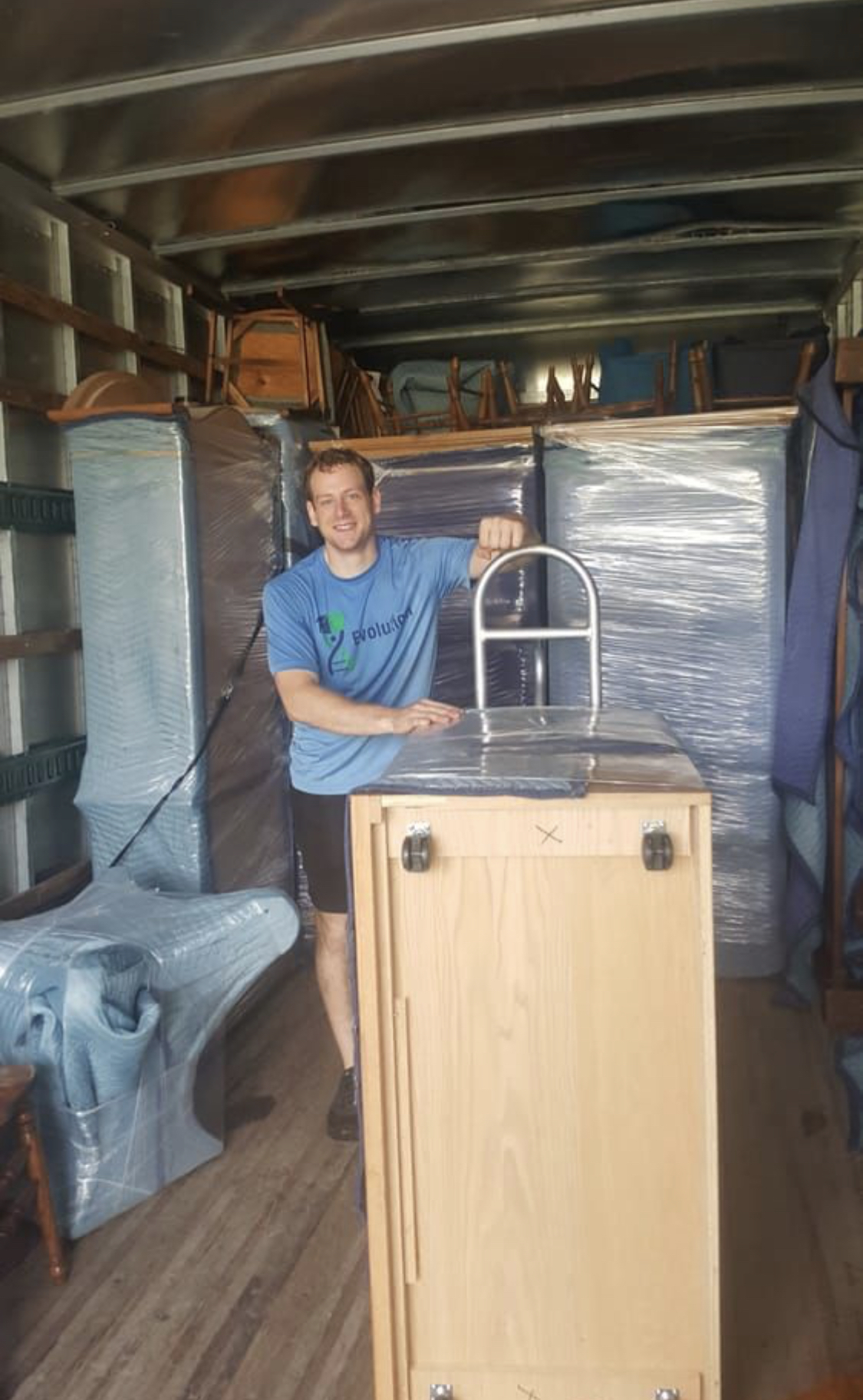
Mesa homes often blend tile, laminate, and carpet. The team should reset adjustable furniture feet so they do not wobble on the new surface. Crews with practice also realign doors on modular wardrobes that shift during transit. These are small interventions, but they keep your furniture working as designed.
When a partial DIY move makes sense
Not every move https://pastelink.net/gk3ql37t calls for full-service packing and transport. If your timeline is flexible or budget-focused, a hybrid approach can work well. Pack non-breakables yourself, then bring in pros for the kitchen, art, mirrors, and heavy items. In Mesa, that split often works for families moving shorter distances who can ferry a few carloads of clothes and pantry items ahead of time. The professional team then handles the efficient, risk-heavy part in one day. The key is coordination: use the same labeling scheme and box sizes your movers prefer so everything stacks correctly.
I have seen clients start with a pure DIY plan, only to switch gears after a test pack of the kitchen. The difference in speed and damage prevention is obvious. A local mover’s time on fragile zones often costs less than the replacement and cleanup after a broken set of dishes or a chipped countertop from a dropped appliance.
Scheduling around Mesa’s calendar and climate
Moves go smoother when they respect the calendar. End-of-month dates sell out quickly because of lease cycles. In summer, early morning slots disappear first. Local residential moving companies anticipate school schedules, sports tournaments at Riverview Park, and festival weekends that squeeze parking. If you can pick a mid-week, mid-month date, you will likely get better availability and a calmer day.
Rain is rare but not unheard of, especially during monsoon season. When storms roll in, a prepared crew carries extra shrink wrap, moving blankets, and plastic wardrobe covers to protect fabric items during short exterior carries. They will also adjust loading and unloading order to keep vulnerable items inside during the worst of a downpour.
How crews prevent the common failures
Two patterns account for most moving-day pain: poor labeling and mismatched expectations. Labeling solves half the confusion. A simple room-name system, plus a short content tag, turns unloading into a targeted effort instead of a pileup. The other half is the initial walkthrough. A good crew lead will ask quick questions at the start: which rooms are priority, what items need careful placement, how to handle rugs on tile so they do not curl at the corners. Fifteen minutes invested early saves an hour searching for the box with medicine or the studs for the TV mount.
Local teams refine these habits because they see the same home layouts again and again. They know where to stage ladders without scratching walls and how to avoid scraping textured ceilings with tall headboards. These are small, practiced moves that add up.
Bulldog Movers on communication, checklists, and aftercare
One thing I appreciate about Bulldog Movers is their reliance on short, plain-language checklists. Before roll-out, the lead reads a fifteen-item list aloud to the team. It includes obvious things that are easy to forget under pressure, like confirming the fridge water line is disconnected and capped, or verifying that the garage door openers are packed where the client expects. At delivery, there is a second list that includes testing smart locks if they were removed, releveling laundry machines to prevent walkabout, and collecting all used packing materials so the home starts clean.
Aftercare also matters. On a job near Red Mountain, a dresser drawer track bent slightly despite careful handling. The crew noted it, returned the next day with a replacement track, and installed it in twenty minutes. Problems happen, but quick, local resolution turns them into footnotes rather than frustrations.
Comparing quotes without getting lost in fine print
When you request bids from residential moving companies, you will see different structures: hourly rates, flat rates, or hybrid estimates with caps. The lowest rate does not necessarily produce the lowest bill. A crew with better planning and the right truck size can finish faster. Look for clear inclusions: number of movers, truck size, mileage, stairs, long carries, and any fees for bulky items. Ask how they handle apartment elevators, HOA time windows, and heat-sensitive items. You will quickly sense who has worked your type of move recently and who is guessing.
It also pays to ask about crew tenure. Moves run smoother when at least one or two team members have logged a season or more together. That is when handoffs become seamless and padding routines happen without reminders.
The quiet perks: neighborhoods, neighbors, and small courtesies
A local team will park in a way that keeps your neighbor’s driveway usable, stack materials neatly, and sweep the entry before they leave. These courtesies matter in close-knit Mesa neighborhoods where everyone sees your move. Crews who work here often will see those neighbors again, so they act accordingly. It lowers your stress and sets the tone with the block you are joining.
They also adapt to the small social realities of moving day. If a client’s toddler needs a nap, they will pause work near that room. If a photo wall means a lot to someone, they will stage that box early and set up a small area so the new place feels like home quickly. That sensitivity is not a line item on a quote, but it is a reason people remember the experience fondly.
A short checklist to prepare for a smooth Mesa move
- Photograph the backs of electronics and label cables before packing. Reserve elevator or dock times as early as allowed, then share confirmations with your mover. Set aside a day-one box with medications, chargers, basic tools, and coffee supplies. Measure the largest items against the smallest doorway in both homes. Confirm HOA and parking rules for both addresses at least a week in advance.
When local residential moving is the right call
If your move touches any of the following, local residential moving services are rarely optional: upstairs apartments with elevators, HOA communities with strict windows, summer dates, or a home office with sensitive equipment. Mesa’s climate and layout amplify small mistakes, and the cost of those mistakes often exceeds the price difference between professional help and a purely DIY day.
The simple truth is that a good local crew lets you focus on choices rather than problems. Where should the sofa go to avoid glare on the TV at 4 p.m.? Which bedroom gets the cooler side of the house for sleeping? With reliable help, those are the kinds of decisions you have time and energy to make.
Final thoughts grounded in Mesa
I have walked homes at 6 a.m. in August and watched the sun turn a driveway into a griddle by 9. I have seen a move saved by a driver who knew a back route around a closed rail crossing. And I have watched clients breathe easier when a crew lead says, “We have moved three families out of this exact floor plan. Here is where the couch fits best.” That is the value of local residential moving, distilled into moments.
Bulldog Movers shows what that value looks like at work: straightforward planning, seasoned crews, and the kind of adjustments that only come from moving neighbors, not just customers. Whether you are crossing Mesa or hopping from Tempe into East Mesa, the right local team turns a hard day into a manageable one, and sometimes even a good one. When the truck pulls away and the house is quiet, you will notice what did not happen: no broken glass, no strained friendships, and no last-minute dashes to buy missing bolts. Just a home that is starting to feel like yours again.