Mesa moves differently. The grid of arterials, the summer heat that laughs at thermometers, the mix of single-story ranch homes and newer developments with winding HOA streets — all of it shapes how a residential move actually plays out here. If you plan well, keep a cool head, and respect a few local quirks, local residential moving in Mesa can be efficient, predictable, and far less stressful than people fear.
What follows comes from years of working alongside crews and homeowners in the East Valley. It favors details over slogans: the way plastic-wrapped furniture behaves in a hot truck, why Tuesday mornings move faster than Saturday afternoons, how to reassemble a bed frame when the hardware seems to have vanished. Whether you’re hiring residential moving companies or running a DIY operation with friends and a rental truck, treat this as a field guide to moving services that actually work for Mesa neighborhoods.
The Mesa context: distance, heat, and timing
A “local residential moving Mesa” job often spans fewer than 15 miles. That short distance tempts people to under-plan, which is a mistake. Mesa traffic compresses into predictable windows. School pickups around 2:30 to 4:00 create knots near major corridors like Val Vista and Southern. Summer mornings are gold, and monsoon season brings abrupt walls of rain and dust that can stall a move for an hour. Those realities matter more than mileage.
Timing moves for efficiency works like this. Aim to launch the first carry at 7:00 or 7:30 when daytime highs are still tolerable. If you need an elevator for an apartment, reserve it and the loading bay, then confirm the elevator’s service key is available so you do not get stranded with a stalled load on the third floor. If your HOA restricts trucks on certain roads after 6:00 p.m., back-schedule your last carry accordingly. The best residential moving companies build their day around these constraints, not in spite of them.
The heat changes basic rules. If you line kitchen boxes with wax paper in July, the wax can soften and smear. Anything with glue — particleboard furniture, certain framed prints — becomes more fragile as adhesives loosen. Plastic stretch wrap protects fabric couches from dust, but in a closed truck at 110 degrees it traps heat, and trapped heat can imprint dye from decorative pillows onto light-colored upholstery. Wrap carefully, but let fabric breathe on the road.
What “stress-free” actually means in practice
You can’t remove all stress. You can eliminate avoidable friction. That usually comes down to four habits: clear labeling, intelligent staging, conscious pacing, and honest scope.
Labeling is more than “kitchen” and “master.” Write a destination and a content type on two adjacent sides, not just the top. That way, a box shows its identity while stacked. “Kitchen - upper right of sink - glassware” is enough to prevent the dreaded mystery pile, and it shortens the unpacking tail end of the move.
Staging means grouping packed boxes near the most logical exit path without blocking door swing. You want a flow where one person passes, one stacks, one returns. In single-story homes common in Mesa’s older tracts, staging along a shade-line in the garage cuts trips and keeps a straight shot to the truck ramp.
Pacing might be the most underrated. In July, you need 10-minute water breaks every hour. Crews that pace well finish faster because no one burns out at 11:30, when the house is half-empty and the heaviest pieces remain. Homeowners can support this by filling a cooler with ice water and sports drinks and pointing out the coolest room for quick breathers.
Honest scope means you acknowledge what you are actually moving, especially outdoor items. Ceramic pots become back-breakers after monsoon rains. A treadmill in the casita needs a clear narrow turn count to exit the door without punching drywall. Call those items out early and decide whether you need extra hands or special equipment.
How experienced crews sequence a Mesa move
A good foreman starts with a walk-through. Bedrooms get mapped, doorway widths noted, low-hanging pendant light in the hallway flagged. They inventory the oddities: a Murphy bed with hidden anchors, the glass top that must be removed from the patio table, the aquarium that cannot ride with fish inside. Only then do they set the loading order.
Heavy, dense items build the spine of the load. In a 26-foot truck, that spine begins at the front wall with the heaviest dresser or safe, anchored with ratchet straps into the E-track. Couches turn on edge when possible, placed where they can be protected by moving pads along pressure points, and wedged so they do not flex across bumps. Mattresses ride upright in mattress bags, strapped to minimize bowing. Mesa’s potholes are kinder than older cities, but the expansion joints on US-60 will test a loose stack.
Boxes stack by category and crush strength. Kitchen dish packs form a base, book boxes build stable columns, then lighter linens and seasonal goods rise to the ceiling. A truck loaded to a smooth, interlocked face saves a dozen unplanned stops to re-secure items.
If you are coordinating your own move, imitate that order. The temptation is to load what is in front of you first. Resist it. Build your spine at the front of the truck and make a plan for the last third of the load, which inevitably gets jammy.
Case notes from Mesa streets
Two summers ago, a family near Red Mountain moved three blocks to a larger place with a shaded backyard. The distance was small. The key variable was a built-in office desk that the previous homeowner had assembled inside the room. The new owners assumed it would slide out. It did not. An hour in the morning heat with a cordless drill and a patient inventory of screws saved that desk and avoided drywall repair. The lesson is simple: if a piece looks “built in,” treat it as such, even if it was technically assembled from flat-pack parts.
Another job, south of Baseline, involved a baby grand piano and new hardwood floors. The risk was not lifting — it was rolling over thresholds without crushing trim. The team laid neoprene runners over transitions and double-padded corners. One person called the moves, one managed pads, two lifted, and no one argued about that division of labor. In tight spaces, asset protection beats brute strength every time.
When Homelove Movers - AZ fits into the Mesa picture
There are many residential moving companies in the East Valley, and good ones share habits. Homelove Movers - AZ has built a strong playbook around early morning starts, two-stage inventory checks, and truck organization tailored to the home type. In split-level houses in Dobson Ranch, for example, they pre-stage on the intermediate landing so the down staircase never bottlenecks. For apartment moves with long carries from distant parking, they block longer dollies and a rolling rhythm that keeps the elevator clear. Those operational details keep jobs on schedule when the thermometer pushes past 100.
Crews that know Mesa understand water softeners tucked into garage corners, overhead storage racks that turn into surprise head-knockers, and HOA parking patrols that will ticket a box truck blocking mailboxes before noon. Homelove Movers - AZ trains foremen to scout those risks during the initial walk-around, then to brief the crew before a single strap gets tightened.
Packing that survives a Mesa summer
Shrink wrap behaves differently at 108 degrees. Tape adhesives soften. Plan for that. Use filament tape for heavy boxes and ensure seams are wiped dry if humidity spikes during monsoon days. Double-wall dish packs are worth the cost for glassware, not only for protection but because they stack cleanly in a hot truck without sinking and collapsing under load.
For electronics, antistatic bags and original boxes are ideal. If you do not have the original packaging, wrap the device in bubble, then place it in a snug box with two inches of cushion on all sides. Label the box with “electronics” and a destination room so it does not get buried under the garage holiday totes.
Artwork and mirrors deserve corner protectors and a mirror box or custom crate for large pieces. Do not stack frames horizontally. Let them ride vertically on edge in a tight line, padded between each piece. In Mesa’s heat, varnishes on canvas can soften. Avoid wrapping tight plastic directly against painted surfaces. A layer of craft paper under blankets allows the piece to breathe.
The kitchen and pantry puzzle
Local residential moving often treats the kitchen as one big project. It is better as three. First, dishes and glassware into dish packs, cushioned with packing paper, no newspaper inks that can transfer in heat. Second, small appliances with their cords taped securely to the body and removable parts bagged and placed in the same box. Third, pantry items. In Mesa summers, chocolate melts, oils can leak, and heat can swell sealed containers. If the trip is same-day and under 10 miles, a cooler in your car for heat-sensitive pantry items prevents a mess. Dry goods ride fine, but check weight. Twenty pounds is a safe top end for most boxes in hot conditions when grip strength fades.
Furniture tricks that save time and walls
Disassembly pays off. Bed frames come apart with a handful of bolts. Put hardware in a zip-top bag, tape that bag to the underside of the headboard, then add a second label with the room name. Dining tables with removable legs move cleaner and reassemble with less racking stress. Couches with removable feet gain an inch that sometimes makes the difference through a tight hallway turn.
Protecting corners is a Mesa basic. Many homes here have rounded bullnose corners on drywall. They look great, and they scuff at the slightest tap. Foam corner guards and taped pads along tight hallways save you from repainting. For stair rails, a moving pad wrapped and secured with tape or stretch wrap prevents gouges.
Apartment logistics and elevators
Elevator moves follow their own logic. Request a service elevator or a hold key. Assign a point person at the elevator to control flow and prevent doors from closing on a dolly. Pre-stage on each end: a stack near the elevator on the load floor, a second stack at the truck or destination unit. If the parking distance exceeds 150 feet, long runs win with speed but lose with fatigue. Mixing shorter carries with relays keeps energy steady.
Many Mesa apartment complexes require a certificate of insurance for moving services. If you are hiring a company, verify that early. If you are DIY, check whether your building restricts move hours or bans trucks in fire lanes. A simple conversation with the leasing office reduces surprises.
Two high-value checklists
Packing often gets mired in advice. The short version is enough.
- Core packing sequence for a 3-bedroom home: off-season and decor first, guest room next, books and media, kitchen non-essentials, garage and tools, linens, daily-use kitchen last. Priority load items for the first night: bedding, basic cookware, toiletries, medications, device chargers.
And for move day flow:
- Pre-move: confirm elevator or loading dock access, stage boxes near exits, unplug and defrost fridge 24 hours prior. During move: keep water handy, prop doors safely with wedges, assign someone to protect floors and corners. Arrival: walk the new space, designate a box drop zone in each room, assemble beds before sunset.
What Homelove Movers - AZ crews watch for on arrival
At the destination, the first five minutes set the tone. Homelove Movers - AZ crews walk the path from truck to home, checking for sprinkler heads that will snap under a dolly wheel, flagstone steps that wobble, and side gates that pinch fingers if a gust catches them. In Mesa’s summer, concrete radiates heat late into the evening. They often run door pads and runners not only for protection but to cool the contact points where people will stand. It is a small modification that reduces slips from sweat-damp shoes.
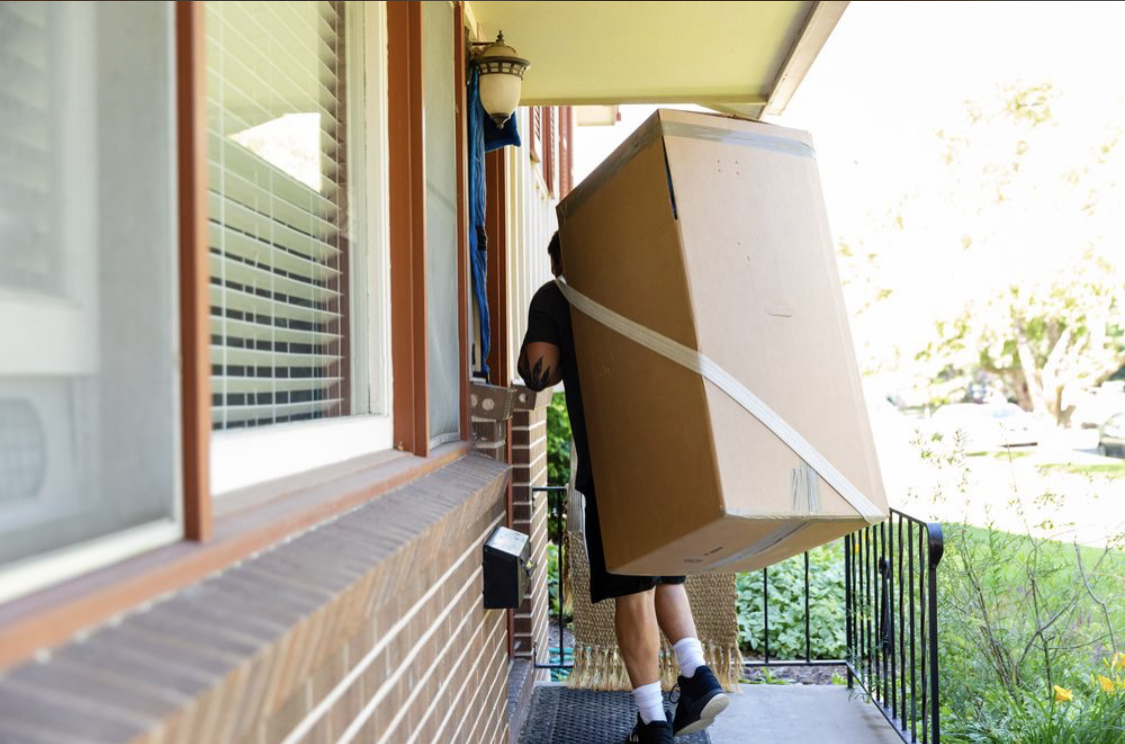
Inside, foremen assign zones. One person handles reassembly with a small toolkit: hex keys, nut drivers, wood glue for a loose dowel, felt pads for furniture feet to save that fresh laminate. Another floats between the truck and rooms, translating labels into actual placement. If labels are precise, items land right on the first try. If not, a good crew will pause to ask rather than guess, because every guess multiplies into rework.
Budget, quotes, and what affects the final number
Local residential moving prices in Mesa vary based on crew size, truck size, and time. Hourly models are common for local moves. The outcome you pay for depends on access, stairs, volume, and packing completeness more than distance. A single-story home with a garage staging setup can move faster than a smaller apartment on the third floor with a long carry.
Ask for the rate structure and what surcharges apply. Some moving services add fees for heavy safes, pianos, long carries beyond a set distance, or stair counts above a threshold. None of that is sinister, it just reflects labor and risk. If your heaviest item is a 300-pound gun safe in a back bedroom with a tight turn, disclose it. If you have a 9-foot sofa that barely cleared the original doorway, say so. Surprises slow moves and often cost more than transparency.
Insurance, valuation, and what coverage really means
Every residential moving company must offer a form of basic valuation coverage. It is not the same as full replacement insurance. Basic valuation often pays by weight, which helps little when a lightweight but expensive item breaks. For high-value items, ask about full value protection options or arrange a rider for the day through your own insurer. Photograph items before the move, especially furniture corners, glass surfaces, and electronics screens. Most damage claims turn on whether a scratch was pre-existing, and photos lower the temperature of those conversations.
For DIY moves, check whether your homeowner’s policy covers damage during transit. Many do not. Rental truck damage is a separate policy. Be clear-eyed about liability if a friend gets hurt carrying your sectional. This is where hiring experienced residential moving companies adds not only muscle but coverage.
Children, pets, and a calm house during chaos
Moving day is disorienting. Kids feel it first. Create a small “command center” room that stays intact until the end: snacks, a fan, a few familiar toys, and a charger station. Let kids pack their own small box and carry it to the car so they have agency. For pets, plan a quiet room with water and a comfort item, or better, a friend’s house for the day. Cats will try to bolt through open doors. Dogs love to supervise at ankle height. Both create risk around dollies and ramps.
When you arrive, set up beds and a basic kitchen kit before diving into decor. A made bed resets the body and the brain. A pan and a kettle mean you can cook and hydrate without rummaging for hours.
Edge cases: what demands special handling
Certain items ask for specialized moving services. Upright freezers should be emptied and defrosted. If you insist on moving a chest freezer full, understand that tilting can disrupt seals and create thaw risk. Aquariums travel best when fish are temporarily re-homed or kept in aerated coolers; the tank should travel empty, with filters and media kept moist to preserve bacteria.
Plants suffer in closed trucks. A short local move in cool hours works, but in summer heat, leaves scorch. Transport them in your car with AC when possible. For large cacti, wrap in multiple layers of heavy paper and consider a rigid barrier between spines and handlers. This is a regional quirk that many out-of-state guides forget.
Communication and the foreman’s role
The difference between a smooth move and a grind often lies in the first conversation with the foreman. A strong foreman sets expectations, calls out the https://gregorydiix979.bearsfanteamshop.com/mesa-s-local-residential-moving-what-to-expect-on-moving-day-1 critical-path items, and invites questions. If you are the homeowner, answer directly. If you do not know whether the washer water lines are new or old, say so. If your home office has sensitive documents, point them out and decide how to handle them before the first box moves.
Homelove Movers - AZ trains foremen to narrate the plan out loud: “We’ll start with bedrooms two and three while staging the living room, then load garage items after the first stack is built. We’ll assemble beds at arrival before we go deep on boxes.” That simple roadmap reduces anxiety and keeps everyone aligned.
Choosing among residential moving companies without overthinking it
Shiny websites and perfect review scores can be deceptive. Look for signs of operational maturity. Do they ask about access, stairs, long carries, and special items during the quote? Do they propose an arrival window that makes sense for your neighborhood and time of year? Are they clear about what they will not move, such as hazardous materials or unboxed loose items?
Ask for a real-person reference if your job is unusual — a piano, a large safe, a long carry from a gated alley. Good companies will share. If the company is vague about insurance or avoids answering when you raise concerns, move on. Mesa has enough solid operators that you do not need to settle.
The final 10 percent: where moves win or lose
Most moves start well, stumble in the late middle, and either recover or unravel in the last hour. The late middle is when the kitchen odds and ends surface, the junk drawer reproduces, and unboxed items appear. The way to handle it is simple. Keep an “open first” bin for each key room and funnel the last loose items there. Assign one person to patrol for stragglers. Confirm with the foreman before the truck departs: closets empty, attic checked, backyard walk-through done, garage rafters inspected with a flashlight.
At the new house, the last hour tends to rush. Resist it. Beds first. Fridge leveled and plugged in. One bathroom set up. Everything else can wait. A well-spent final hour saves you three tired hours at midnight.
A Mesa-ready mindset
Local residential moving is about respect for environment, materials, and people. Mesa’s heat, layouts, and rhythms mean that what works in a dense, temperate city does not translate one-to-one. When residential moving companies and homeowners align on a clear plan, use gear suited for the job, and allow the calendar and the weather to guide decisions, stress drops.
Homelove Movers - AZ, like other seasoned moving services in the area, earns results by acknowledging those realities. They plan around heat, they protect finishes common in Mesa homes, and they communicate at a level that keeps surprises from taking root. Whether you hire them, another local operation, or take the DIY route with borrowed muscle, adopt that same discipline.
Pack thoughtfully, stage with intent, and load like a puzzle you mean to solve only once. That is how you make a local move across Mesa feel less like an ordeal and more like a transition you control.