Choosing how to move your household is one of those decisions that seems straightforward until you start asking real questions. Who will disassemble the beds without stripping a bolt, who can get a 78-inch sofa through a 36-inch doorway without scarring the jamb, and who is going to replace the cracked tile if something goes wrong? For most people, the choice narrows to two paths: hiring a residential moving company or booking independent freelancers. Both options can work well. Both can also go sideways if the scope and risks are misunderstood. The right decision depends on your home, your schedule, and your tolerance for uncertainty.
Having handled moves ranging from studio walk-ups to sprawling four-bedroom homes, I’ve seen flawless relocations executed by tight-knit freelance crews, and I’ve seen large moving companies rescue DIY jobs that ran off the rails. The difference wasn’t luck. It came down to planning, accountability, and the ability to adapt when the plan met reality.
What counts as a residential moving company vs. a freelancer
When people say residential moving companies, they usually mean an established business with a USDOT number for interstate work or appropriate state licensing for intrastate jobs, general liability and cargo insurance, employees or vetted contractors, and a fleet of properly equipped trucks. They quote in writing, maintain dispatch systems, and have policies for damages, time overruns, and claims.
Freelancers, by contrast, are independent laborers hired directly, often found through marketplace apps or local postings. Some bring a van or a box truck, some provide only labor, and many do excellent work. The variability is both the appeal and the hazard. You can hire a pair of strong pros and finish a local residential moving project in Mesa before lunch, or you can find yourself waiting outside a storage unit because a borrowed truck wouldn’t start.
Cost, clarity, and what your money actually buys
Price is the headline difference. Freelancers often charge by the hour, and without the overhead of a traditional firm, the rate can look friendly. The catch is what’s not included. A company rate usually packages more than muscle, such as professional packing materials, floor and banister protection, wardrobe boxes, a plan for parking and elevator reservations, and a dispatcher who can swap a truck if there’s a breakdown.
On a three-bedroom local residential moving job, it’s not unusual to see an 8 to 12 percent cost swing between a reputable company and a freelance team of similar experience. The number can widen if packing is involved because companies buy materials at scale and already own gear like speed packs and picture crates. On the other hand, if you’ve already boxed everything tightly, can stage items near the door, and don’t need disassembly, a lean freelance crew can beat almost any company’s total.
Clarity matters as much as cost. A good company will define billable time, travel time, and minimums up front. With freelancers, clarity varies. I’ve seen misunderstandings over when the clock starts, who pays for parking tickets, and whether a second trip is included if everything doesn’t fit. None of that is a deal-breaker, but it is a set of questions you should ask before the first drawer comes out of the dresser.
Liability, insurance, and the moment something goes wrong
Things happen. A dolly wheel catches a door threshold and a bookcase tips. A long dresser bumps a sprinkler head. Most residential moving companies carry general liability insurance, workers’ compensation for employees, and cargo coverage. That doesn’t make every claim effortless, but it establishes a process, a policy limit, and a party responsible for responding. Even base valuation rules provide a floor for reimbursement.
Freelancers may carry none of these. Some do, especially those who treat moving as a career, but verification is on you. If a freelancer twists an ankle carrying your sectional, workers’ comp doesn’t exist unless they purchased it. If a banister chips, the discussion turns on goodwill rather than policy. In my experience, plenty of independent movers make things right. The uncertainty is the cost of the lower rate.
If your home has tight stairwells, fragile finishes, or high-value items, the difference between “we’ll find a way to fix this” and “I don’t know what to tell you” becomes decisive. Risk tolerance should be part of your budget calculus, not an afterthought.
Speed, staffing, and the domino effect of one late arrival
A well-run moving company invests in redundancy. Trucks are assigned with buffers, backup gear sits in the yard, and more than one foreman knows your route. If a mover calls out sick, someone else can fill in. That kind of resilience shows up when you have a school pickup at 3:00 and the elevator reservation ends at 4:00.
A freelance crew is nimble, but rarely redundant. If you’ve booked two freelancers and one cancels at 6:30 a.m., your only choices might be to push the move or attempt it with fewer hands. With small apartments and short distances, you might be fine. For a four-bedroom home, a single no-show can turn a six-hour project into an after-dark slog.
In local residential moving, particularly in hot-weather markets like Mesa, err on the side of more hands than you think you need. Heat slows everyone down, water breaks multiply, and flights of stairs get longer as the day wears on. Experienced companies plan around that; the best freelancers do too, but the margin for error is thinner.
Equipment and packing discipline
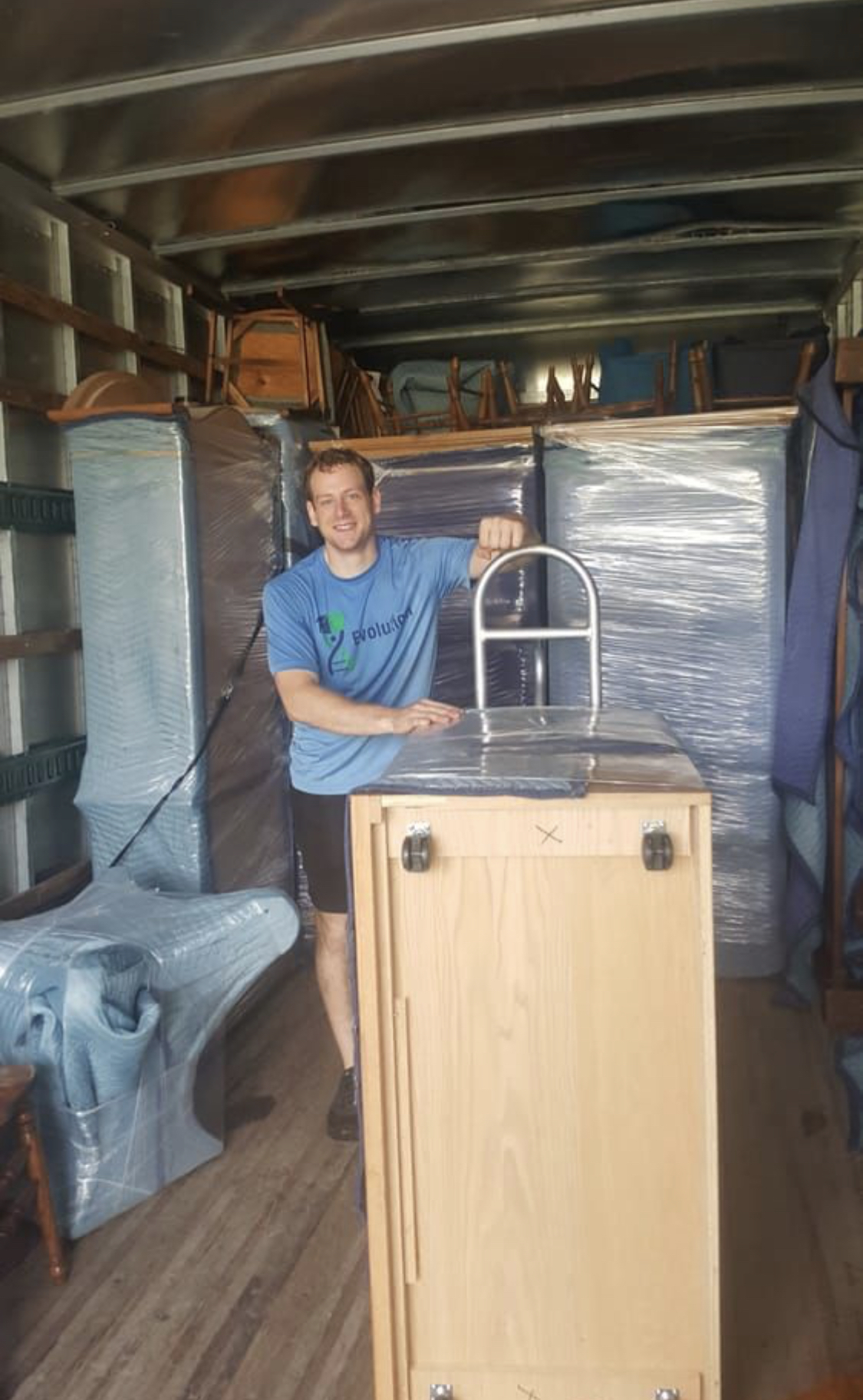
The right gear buys speed and safety. Professional companies typically carry felt runners, door jamb protectors, banister wraps, neoprene mats, piano boards, lift straps, multiple hand trucks, four-wheel dollies, cargo blankets by the dozen, and ratchet straps that actually ratchet. They’ll also have tool kits standardized across crews, so a missing hex key doesn’t stall the bed frame.
Freelancers range from brilliantly equipped to minimal. I’ve watched a two-person freelance team wrap an entire living room with stretch film and blankets faster than most company crews, then stack it like Tetris so tight you couldn’t slip a postcard between chairs. I’ve also watched freelancers attempt to move a glass curio cabinet without corner protectors. Ask for photos of their equipment, and specify that door and floor protection are required. It’s not micromanagement. It’s how you keep a security deposit.
Packing is its own discipline. Residential moving companies tend to bring a packing lead who knows which boxes take books versus linens, where to nest lampshades, and how to float glass inside picture cartons. If you need that expertise, a company can be cheaper than you think because they reduce breakage and time lost to repacking. If you’re an organized packer with a tape gun and a labeler, freelancers can give you the muscle without selling you boxes you don’t need.
Scheduling certainty and communication
Moving is a chain of dependencies. Real estate closings, utility shutoffs, elevator windows, and a landlord who wants you out by noon compress into a single day that can go smoothly or unravel in minutes.
Companies typically confirm the schedule 48 to 72 hours in advance, assign a lead, and offer a morning or afternoon window. They have dispatchers who pick up the phone while the crew is on site. That structure saves moves when curb space is unexpectedly blocked or a gate code fails.
Freelancers communicate more ad hoc. Many are excellent communicators who text updates and share live location, but there’s no central office. If a tire blows and the mover’s phone dies, the next call might not come until a tow arrives. Again, the stakes are situational. For a simple local hop with flexible timing, that risk may be acceptable. If you’re crossing town with pets, kids, and a narrow elevator slot, reliability is not a luxury.
When freelancers shine
Freelancers do great work when scope is tight and predictable. If you need load-only labor because you’ve rented a truck, or you’re shifting a few rooms’ worth of furniture into a ground-floor storage unit, independent movers can be the smart play. Same for last-mile help after a container delivery, rearranging heavy items within a home, or tackling a partial move while you renovate.
They also shine when you want a bespoke approach and you’re comfortable managing details yourself. I’ve seen homeowners assemble a dream team: a freelance packer with museum experience for the art, a pair of independent lifters for the gym equipment, and a driver who specializes in small-box trucks for tight downtown streets. That kind of mix-and-match can outperform a standard-issue move, provided you’re willing to do the coordinating that a dispatcher normally handles.
Where residential moving companies earn their keep
Large homes, fragile collections, piano moves, narrow staircases with turns, third-floor walk-ups without elevators, or any situation with time penalties, HOA rules, or strict building requirements lean toward a company. The value shows up in the boring parts: certificates of insurance emailed to building management ahead of time, hallway protection that satisfies a condo board, and a foreman who calculates when to stage items near the elevator to avoid blocking neighbors.
For long days, companies manage crew fatigue with rotations and breaks that keep the quality consistent from the first box to the last. They also balance loads across trucks to avoid a second trip, which can be the difference between finishing at 2:30 and fighting rush-hour traffic with a half-packed garage.
A Mesa-specific wrinkle: heat, distance, and building logistics
Local residential moving in Mesa has practical realities that aren’t always obvious. Summer heat changes pacing, the distance between suburban driveways and front doors tends to be longer than in older city neighborhoods, and stucco entries plus tight gates can complicate angles. Hydration and rest cycles need to be planned, not improvisational. Proper floor runners protect tile that gets slick with dust. Parking a 26-foot truck on a cul-de-sac without blocking traffic is both a courtesy and a skill.
Freelancers who work locally know these rhythms. So do established residential moving companies with crews accustomed to Arizona streets and HOA expectations. If your move includes community gates, pool decks, or shared amenities, check the rules ahead of time. https://rentry.co/83wnhu7k Some HOAs require a certificate of insurance on file before a truck can enter. That requirement alone can tilt your decision toward a company if time is tight.
Bulldog Movers: how a local operator handles trade-offs
How Bulldog Movers plans a Mesa neighborhood move
Bulldog Movers, a local residential and commercial moving company serving Arizona, structures local residential moving with a pragmatic lens. On a typical Mesa home, they’ll dispatch an estimator to walk the space or perform a video survey, not just to count boxes, but to measure turns, check doorway heights, and note any long walks from truck to door. That data drives crew size and equipment choices. It’s not unusual for them to assign a smaller box truck to follow a 26-foot vehicle if your block can’t handle full-size parking, which prevents time lost to shuttling.
Crews carry door protectors that attach in seconds, neoprene runners for tile and laminate, and furniture blankets that wrap with stretch film in a specific sequence. If you’ve ever watched a sofa get wrapped three times because the first attempt didn’t cover the corners, you know how minutes turn into hours. Process consistency is what you’re buying.
Where Bulldog Movers suggests freelancers
Bulldog Movers doesn’t try to sell full-service on every job. For load-only tasks where you’ve rented your own truck, or for moving within the same apartment complex, they might recommend a leaner approach if you’re comfortable coordinating materials and timing. They’ll still caution on a few non-negotiables: clear hallways, reserved parking, and enough dollies to avoid carrying loose boxes over long distances. That kind of guidance, even when it points you to freelancers, is worth noting because it reflects operational reality, not a script.
Risk management: the overlooked cost center
I once watched a move stall because the elevator key disappeared. The company had a second key held by the superintendent. A freelance job would have waited for building staff to return from lunch. Another time, a sprinkler head in a garage got bumped by a headboard. The company’s crew chief shut off the zone valve within two minutes and laid down plastic to divert water from boxes. The homeowner ended up with a drywall repair rather than a flooded floor.
These aren’t everyday events, but they aren’t freak incidents either. Residential moving, even local hops, is risk-laden. Ask yourself where the risk lives and who is prepared to own it. If the potential headaches exceed your appetite, a company’s overhead starts to feel like a bargain.
Time, effort, and your own role in the move
With freelancers, you become part project manager, part quartermaster. You’ll confirm truck size, secure parking permits if needed, buy or rent blankets, corner protectors, and straps, and ensure tools are on site. If that sounds energizing, freelancers can be perfect. If you want to hand over the keys and focus on utilities, school forms, and the dog, a company is a better fit.
A hybrid approach can work well. Pack your own non-fragile items in advance, label rooms clearly, and hire a company for furniture, appliances, and fragile items. That’s often the sweet spot for families who want to control cost without gambling on safety.
A practical way to decide: scope, stakes, and support
A simple framework helps most homeowners pick a path:
- Scope: How much volume, how many stairs, and how many special items? Stakes: What happens if timing slips, if something breaks, or if access is tighter than expected? Support: Do you want to coordinate moving parts yourself, or outsource logistics to a team with backups?
If scope is small, stakes are low, and you enjoy planning, freelancers can be ideal. If any one of those tilts toward complex, a residential moving company earns its keep. The math is not just dollars per hour, but dollars per hour multiplied by probability and consequence.

Claims, guarantees, and paperwork you should actually read
For companies, request proof of general liability, cargo coverage, and workers’ compensation. Verify USDOT or state credentials if your move crosses regulatory lines. Read the valuation section. Base coverage at 60 cents per pound per item won’t cover a cracked TV. Decide in advance if you need full value protection, and understand deductibles.
For freelancers, ask for a certificate of insurance if they claim coverage. Some will provide it with your address listed as certificate holder. Get terms of payment, start time, and scope in writing, even if it’s a simple email. Clarify who supplies materials, who handles disassembly and reassembly, and what happens if extra time is required. Keep messages in one thread so you can find them under stress.
The intangibles: demeanor, respect, and how a home feels during a move
Moves are emotional. People are tired, kids are out of their routine, and keepsakes feel more fragile than usual. The best crews, whether company or freelance, bring calm. They announce each step, ask before moving a box that looks personal, and protect a child’s room with extra care. You cannot spreadsheet that, but you can interview for it.
Meet the lead if possible, ask how they approach fragile items, and listen for specifics. Vague assurances are a red flag. Good movers talk about picture cartons, mattress bags, felt pads under dressers, and how they plan to stage the truck for unloading so the bed frames come off first and you can sleep in your new home, not hunt for bolts at midnight.
Where Bulldog Movers’ approach fits in the spectrum
Bulldog Movers on communication and claims
Bulldog Movers builds moves around communication checkpoints: a confirmation call the day before, a crew lead who introduces themselves on arrival, and a photo log of any pre-existing damage on furniture before wrapping. If something goes wrong, they document on site and route it to a claims handler with authority to make decisions. That structure saves time and avoids the awkward who-do-I-call moments that can follow a tough day.
Bulldog Movers and hybrid solutions
For families who want control without chaos, Bulldog Movers often preschedules a packing day for fragile items only, then completes the rest of the move with a standard crew. If you’ve already boxed books and clothing, they adjust labor and truck space accordingly. They’re comfortable coordinating with building managers in Mesa and surrounding cities, which reduces friction with elevator reservations and insurance certificates. That cooperative stance is where companies, at their best, extend beyond muscle and into problem-solving.
Edge cases: antiques, gyms, and stairs that bend twice
Every town has homes that scare movers. Antiques that don’t come apart, home gyms with awkward leverage points, stair runs with winders that steal inches at the worst spot. A seasoned company sends a scout day to pre-measure, disassemble where possible, and plan the angle of attack. They’ll bring a piano board for a treadmill deck, shoulder straps for a safe, and extra manpower for a single turn. Freelancers can be brilliant at these puzzles, but vet carefully. Ask for photos of similar items they’ve moved and what gear they used.
For antiques and heirlooms, document condition with photos. No one argues when everyone sees the same scuff in the same light. If a piece is both fragile and irreplaceable, budget for a custom crate. That’s not upselling. It’s what museums do.
Local knowledge still matters
Even with GPS, local know-how saves time. In Mesa, school pickup windows change traffic patterns, and some neighborhoods have street parking that disappears after 7:30 a.m. because of landscaping crews. Crews that know which alleys are navigable and which will trap a long wheelbase can shave an hour off a move just by staging the truck correctly. Residential moving companies build that knowledge across crews. Savvy freelancers carry it too, but it depends on the individual. Ask where they’ve worked recently and listen for specifics.
A short, useful checklist before you choose
- Confirm licensing and insurance appropriate to your move, and verify documents. Match crew size to scope, not just price. A slightly higher hourly rate with more hands can finish earlier and cost less overall. Ask about equipment in concrete terms: door jamb protectors, floor runners, four-wheel dollies, and ratchet straps. Align on start time, travel time billing, and what triggers overtime or minimums. Reserve parking, elevators, and loading zones, and share those details with your movers.
The bottom line: choose for your risk and your reality
Residential moving is not just moving. It is sequencing, protection, endurance, and accountability, all compressed into a single day. Freelancers offer agility and cost savings when the project is controlled and you’re willing to manage details. Residential moving companies offer structure, backups, and a claims path that reduces tail risk. For a modest apartment or a well-packed small home, either route can work well. For larger homes, strict building rules, or anything with higher stakes, the margin of error that a company brings is worth the premium.
If you operate in the Mesa area, consider the practicalities of heat, distance from curb to door, and HOA rules. Whether you lean toward a company or freelancers, the difference between a long, sweaty grind and a competent, almost quiet day often comes down to preparation and the professionalism of the people on site. Bulldog Movers has built its local processes around those realities, and there are independent movers in town who perform to that standard too. Pick the team whose plan, equipment, and communication give you enough confidence to focus on the rest of your life while the boxes change addresses.