Moving a household can leave a surprisingly large footprint. Trucks burn fuel idling in summer heat, mountains of single‑use cardboard pile up in alleys, and packing supplies often outlive their usefulness by decades. Yet a greener move is absolutely doable without adding stress or sacrificing protection for your belongings. It comes down to preparation, mindful material choices, and working with residential moving companies that care about efficiency as much as they care about loading techniques.
This guide distills what actually works on the ground. It blends practical steps you can take as a homeowner with what seasoned crews do behind the scenes to cut waste and emissions. Whether you need local residential moving in Mesa or a short hop across town anywhere in the Valley, the principles are the same: minimize what you move, optimize how it gets moved, and select moving services that back up their sustainability claims with measurable habits.
Why eco-friendly moving is worth the effort
Two realities drive most of the environmental impact: the volume of stuff and the number of trips. Every extra box adds fuel weight, every poorly planned truckload invites a second shuttle run, and every cheap roll of tape that fails mid‑move becomes landfill. In the Phoenix metro, summer heat compounds the problem since trucks must crank air conditioning for driver safety and to keep certain items from warping or melting. An efficient, lightly loaded truck that runs a single optimized route can cut fuel use by a third compared to a rushed, overstuffed move that requires a second run.
For local residential moving in Mesa, reducing one truck trip often trims the total drive distance by 10 to 30 miles, which not only lowers emissions but also shortens your move window. When crews do not have to double back at 2 p.m., they stay sharper. Less heat exposure, fewer rushed lifts, fewer scuffed walls.
Start with the stuff you do not need
Every sustainable move begins weeks before the truck pulls up. If you can reduce your shipment by 10 to 20 percent, you have already achieved the single largest environmental gain available to you. Sorting room by room helps, but it is more effective to sort by category. Books, linens, small appliances, kid gear, then furniture. You notice duplicates and underused items faster when you see them together.
One family in Tempe cut their kitchen volume by a quarter simply by consolidating gadgets. They had three nearly identical spatulas, mismatched travel mugs, and two slow cookers. They hosted a porch swap on a Saturday morning, then donated the rest before trash day. The porch swap moved items into use locally, no extra packaging, no shipping emissions, no trip to a distant outlet.
If it has not been used in a year, ask whether it adds comfort, meaning, or utility. A single sentimental bin is fine, but ten is a truckload. Donation outlets in the East Valley will typically take gently used furniture if it can be picked up from ground level or a garage space. Scheduling that pickup two weeks before your move helps you avoid last‑minute landfill runs.
Smarter packing materials, fewer one‑use items
The big three to watch are boxes, wrapping material, and tape. New boxes are sometimes unavoidable, especially for dish packs and wardrobe cartons, but you can often source 30 to 60 percent of your boxes secondhand without compromising protection. Liquor stores and office parks generate a steady stream of sturdy cartons, typically free. A quick tip from movers: avoid boxes that held heavy produce since residual moisture can weaken seams.
For wrapping, clean textiles do as much work as paper if you apply them correctly. Tee shirts cushion dishes, pillowcases slide over small lampshades, and bath towels wrap framed art. Start with textiles you already own, then supplement with recycled paper for delicate items. Plastic bubble wrap still has its place for sharp corners and electronics screens, yet most households use far more than they need.
Reusable crate programs are another solid option. They arrive sanitized, nest for compact storage the week before your move, and stack uniformly so crews can load faster. The environmental benefits come from reuse cycles and reduced tape, but there is a logistical bonus too: consistent crate sizes fill the truck without odd gaps, which cuts down on shifting and minimizes the need for extra packing fill.
Route planning and right‑sized trucks
Not every move truck should be the largest available. An oversized truck idles more, wastes space, and can struggle in tighter suburban streets, creating more repositioning. On a typical three‑bedroom household with an average furniture load, a 24‑ to 26‑foot box truck is standard. For a smaller condo or an in‑town studio, a 16‑ to 20‑foot truck can be more fuel efficient and safer to maneuver. The green advantage shows up in fewer repositioning moves and cleaner unloads.
Two simple steps make a big difference here. First, share a complete inventory with the mover, including attic or patio items. Crews plan truck size and load order around that list. Second, pick a move window that avoids peak traffic if possible. In Mesa, that often means starting early to be clear of Loop 101 and US‑60 congestion. Thirty minutes saved in traffic is fuel saved, time saved, and a cooler crew when heavy pieces hit the stairs.
How Homelove Movers - AZ plans a low‑waste move
Homelove Movers - AZ uses a pre‑move walkthrough to flag the items that will need top protection and to identify where reusable gear can replace consumables. On a recent patio‑heavy job, the crew staged furniture pads for outdoor metal frames rather than wrapping them in plastic film. They also pre‑assembled a rug rack in the truck so that rolled carpets could stand upright, removing the need for shrink wrap on each rug. The client still used paper on dishware, but total plastic dropped by roughly half without risking damage.
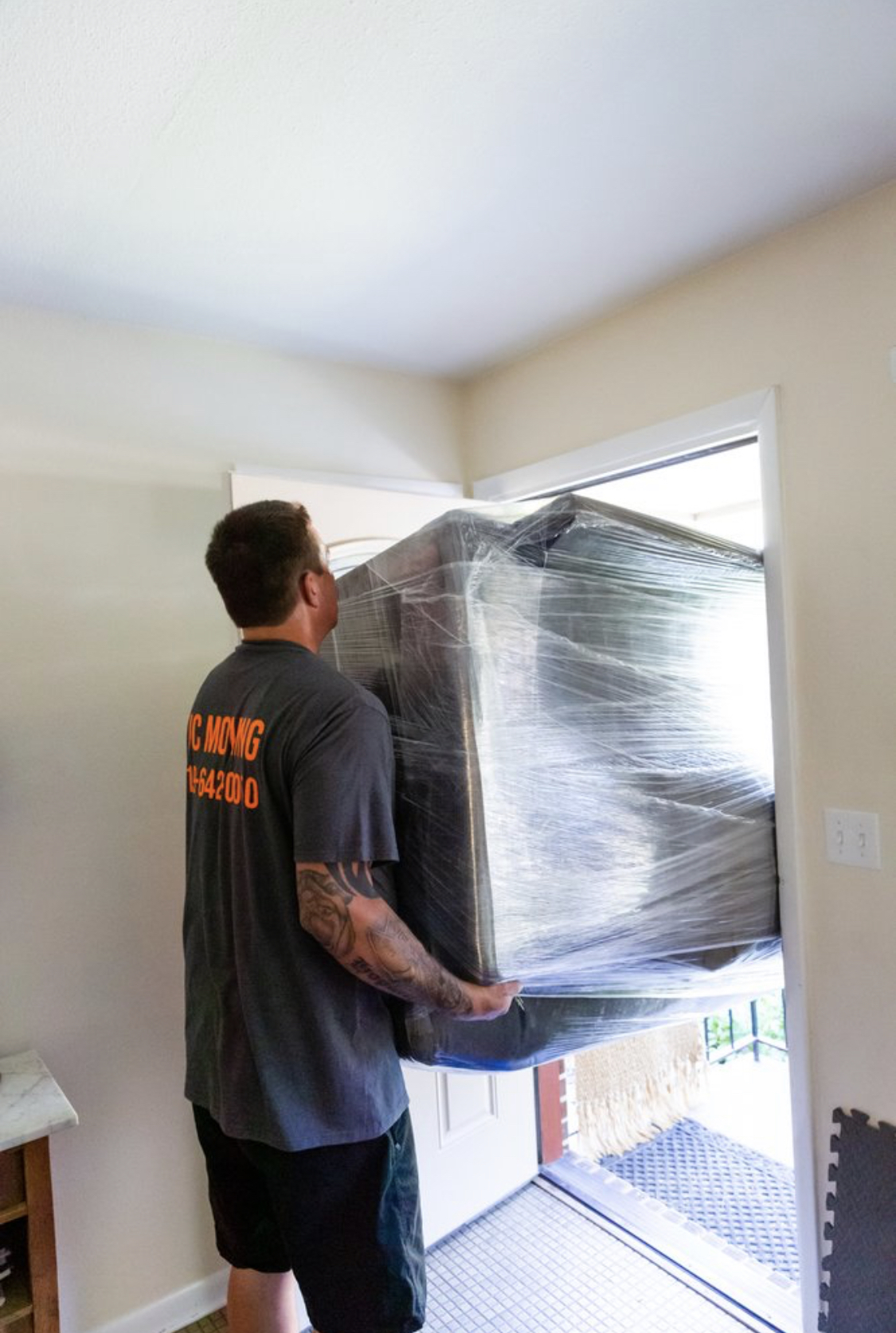
Crews also train on efficient carry paths inside the home. Every avoided step limits fatigue and reduces incidental damage. The path plan sounds like a small thing until you notice how it slashes set‑down cycles. Fewer set‑downs mean less tape and less rewrapping, and the whole job moves along in a calmer rhythm.
Fuel efficiency and idle control
Modern trucks vary widely in fuel consumption. While not every residential moving company can maintain a fleet of the newest models, they can adopt fuel discipline. Idle cutoffs and a “ready to lift, then start” rule save fuel on hot days. At curbside, crews stage the first five to ten items before starting the engine, load immediately, and shut down again when a long wrap session begins. Multiply that pattern over a four‑hour load, and you can trim idle time by 20 to 40 minutes.
Tire pressure is another simple habit with an outsized impact. Underinflated tires burn more fuel and handle worse on tight turns. A good crew checks pressure before the morning dispatch rather than discovering a soft tire mid‑route when the truck is already hot. Attention to these basics defines whether a moving day feels under control or like a fight against the clock.
Homelove Movers - AZ on reusables, from floor runners to box cycles
Homelove Movers - AZ keeps a kit of reusable floor runners and corner protectors on every truck. Disposable film has a role for fabric items and couches in storage, but in‑home protections do not need to be single‑use. Reusable neoprene runners lay down quickly, protect on both tile and hardwood, and wipe clean at day’s end. Corner guards clip onto door frames, which eliminates the old tape‑and‑cardboard trick that leaves residue and waste.
For clients who plan several moves in a few years, like military households or renters, the team encourages keeping an “evergreen” set of durable plastic totes for seasonal gear, tools, and keepsakes. Those totes handle moves, garage storage, and storm protection better than thin cardboard and can be used for a decade or more. A tote that prevents one replacement of contents more than pays for its plastic footprint.
Packing strategy that protects and saves resources
Prime the house the day before. Stack empty boxes and crates by room entryways, stage packed boxes along prime walls, and leave a clean, open center. Heavy items go in smaller boxes, light items in larger ones, and the heaviest boxes top out around 40 to 50 pounds. Overstuffed large boxes invite double handling when a mover realizes it will crush other boxes or strain a stair carry. Double handling means extra time, extra truck idle, and a higher chance of tape failure that forces rewraps.
Kitchen packs are where most material gets wasted. Instead of wrapping every dish, build layers with alternating textiles and paper. Four plates with a dish towel border can often ride safely in a single bundle. For glasses, nest similar sizes and use newspaper only at contact points. If newspapers are not available, unprinted recycled packing paper does the job without ink transfer.
A quick planning checklist for greener packing
- Inventory by category, not room, to find duplicates and donations fast. Source secondhand boxes and supplement with a few specialty cartons. Use textiles first, recycled paper second, bubble only where it truly protects. Right‑size the truck and avoid peak traffic where you can. Stage carry paths to cut idle time and rewrapping.
Appliances, electronics, and the hazardous material trap
Sustainability sometimes means knowing what not to put on the truck. Many residential moving companies will not haul certain chemicals or fuel for good reasons. Old paint cans, half‑used propane bottles, and opened solvents carry spill risk and can void permits. The green option is to find a local hazardous waste event or drop‑off site ahead of time. For Mesa and surrounding areas, city calendars usually list quarterly dates. Plan to clear that shelf a week before moving day so you are not staring at a “no load” pile when the crew rings the bell.
For refrigerators, a clean defrost 24 to 48 hours ahead prevents drips that require layers of extra padding. Tape residue on appliance doors is another avoidable waste generator. Use painters’ tape and a strip of paper under the tape line to protect the finish. A single cloth strap then holds doors shut during the move. No plastic film necessary.
Electronics ship best in original boxes, but few people keep them. In that case, wrap screens with https://andersonzbte843.theglensecret.com/saving-time-and-stress-with-professional-residential-moving-services a sheet or clean towel, then a layer of paper or cardboard to spread impact, followed by a fitted corner protector. This is one place where a small amount of plastic film avoids a big mess in case of dust or sprinkles during the carry.
Scheduling, crew size, and the hidden carbon cost of overtime
The crew count matters. Too small a team slows the job down and encourages shortcuts; too large a team means people stand idle with the truck running. The sweet spot for a two‑bedroom apartment is often two movers with a driver who floats. For a three‑ to four‑bedroom house with stairs and a garage, three to four movers keep the load balanced. When the team can maintain a steady cadence of wrapping inside and loading outside, the truck spends more time rolling and less time idling.
The start time matters in summer. In Mesa, a 7 a.m. start goes a long way toward keeping people safe and alert. Alert crews tape less, wrap smarter, and avoid repacks. When crews hit fatigue, mistakes follow, then damaged boxes that require extra materials to fix. Sustainability is not just materials, it is the workflow that prevents wasteful rework.
Choosing residential moving companies with real sustainability habits
Marketing copy can sound the same across many moving services. Ask for specifics. What percentage of their daily packing materials are reusable items like pads, runners, straps, and crate systems? Do they plan a single‑truck solution when possible, or do they routinely split jobs and double the driving? How do they handle old boxes after the move? The best answers reference routines, not slogans: a crate rental partnership, standardized pad counts, and an established box take‑back plan.
Local residential moving demands local knowledge. A team working Mesa neighborhoods regularly will understand HOA rules about early loading, where to stage in cul‑de‑sacs, and which buildings ban elevator holds during rush hours. Those details help avoid time sinks that translate into emissions and stress.
Homelove Movers - AZ on route timing and box take‑back
Crews at Homelove Movers - AZ keep a post‑move loop in their routine. If a client is within a close radius, they schedule a box pickup a week after move‑in. Clean, lightly used boxes get cycled for donation or reuse. Heavily worn boxes go to cardboard recycling. It is a small step, but when repeated across dozens of jobs, it diverts a meaningful stack of corrugate from landfills.
On timing, the dispatch team maps routes with heat and traffic in mind. They aim to cross major corridors like US‑60 early and plan lunch breaks during the hottest hour so movers are not loading appliances in full sun at 2 p.m. Every avoided heat‑exhaustion slowdown reduces the chance of mistakes that waste materials and time.
Dealing with furniture: disassembly, padding, and the plastic question
Plastic stretch film became popular for good reasons. It is quick, it keeps drawers shut, and it protects from dust and light moisture. Used sparingly on the right items, it saves damage and reduces the need for extra cardboard. Overused, it becomes the biggest trash bag on the curb. A smarter approach is to match the method to the furniture. Strap drawers shut on solid dressers rather than mummifying them. Use re‑usable moving blankets and a strap around the blanket to hold it in place. Film earns its keep on fabric sofas, mattresses, and upholstered chairs that might pick up dust in transit.
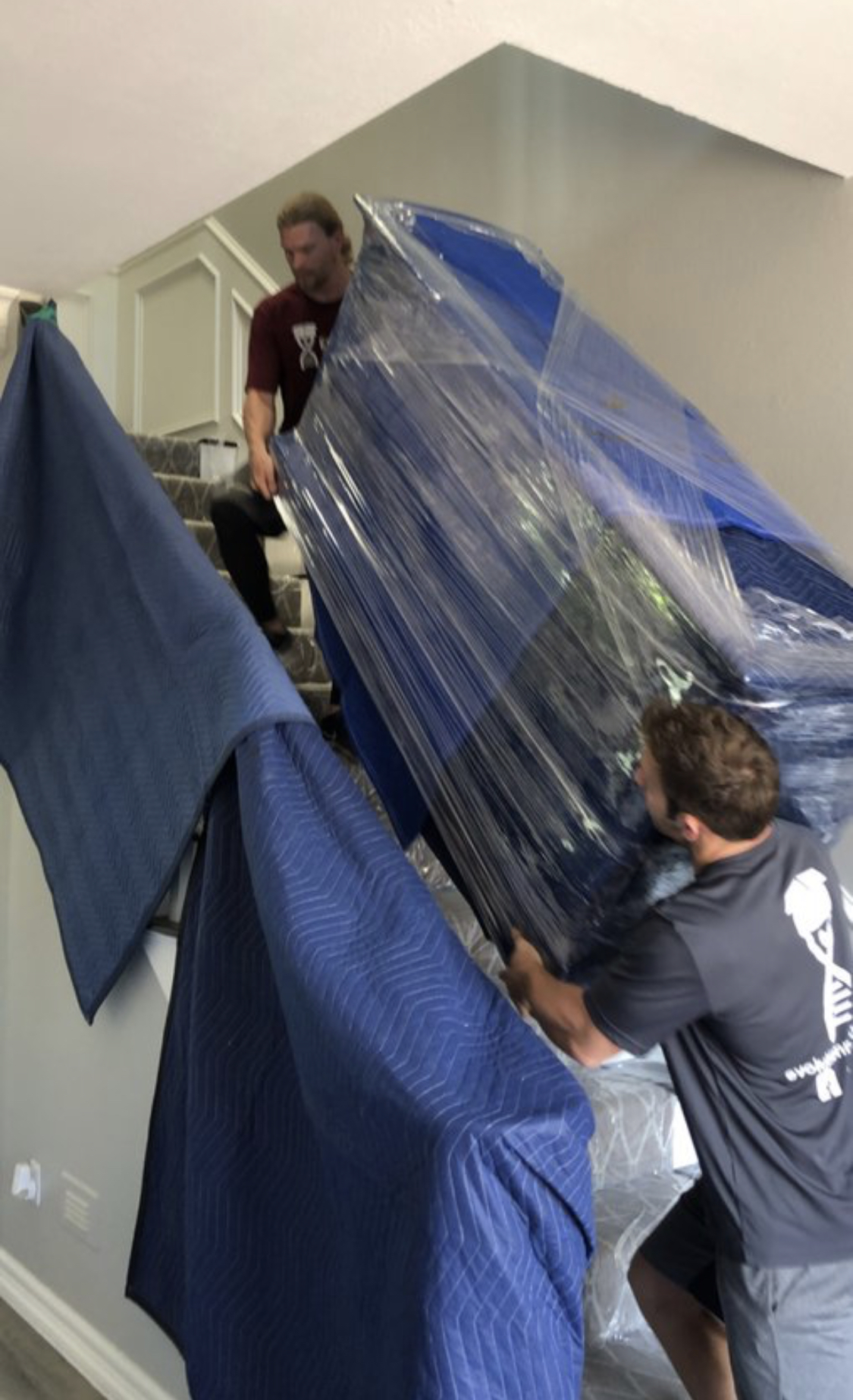
Disassembly is often greener than it seems. Removing eight table legs can reduce the truck space by the equivalent of a large chair. If you can stack a dining tabletop and legs flat against the truck wall, you cut cubic footage and improve load stability. Fewer tie‑downs mean fewer consumables.
Label hardware bags by piece and tape them inside a drawer or to an out‑of‑sight underside. That eliminates frantic hardware hunts that lead to a second store run for parts you already own. Extra mileage is waste, too.
After move‑in: what to do with the leftover mountain
The unpacking phase creates a second wave of potential waste. Before you collapse everything for garbage pickup, sort fast. Clean paper gets bundled for recycling. Bubble and foam can sometimes be reused by neighbors or shipped off through specialty drop‑offs. Blankets and pads go back to the mover if they are on rental. Reusable crates get stacked for pickup.
Consider a local “box hour” on your block. A short note on a neighborhood forum or app offering free boxes on the porch that evening rarely goes unanswered in late spring and early summer. Label specialty boxes like wardrobe and dish packs so a neighbor knows exactly what they are getting. One house’s leftovers become the next house’s prep.
Post‑move, low‑waste actions
- Schedule a box pickup or list boxes locally for same‑week reuse. Keep a small kit of durable totes for seasonal storage and future moves. Recycle clean paper and corrugate; reroute bubble to reuse channels. Donate duplicate tools, hoses, and shelving before they drift into storage. Log what you did not use during unpacking to avoid re‑buying.
Special considerations for local residential moving in Mesa
Heat is the central variable. Electronics, candles, and vinyl items can warp quickly in enclosed spaces. Pack those last and unload them first to minimize time in a hot truck. That sequencing cuts the need for extra insulation materials. If possible, cool the destination space before the truck arrives. A 5 to 10 degree difference inside reduces the risk of adhesives and finishes softening, which in turn reduces post‑move touch‑ups and replacements.
Water planning matters. Provide refill points for movers so they do not rely on single‑use bottles. A big insulated jug on a counter saves a bag of plastic and keeps the crew sharper. Crews who hydrate steadily carry more safely and work more smoothly, which means less drop risk and wasted packaging.
Parking rules change block by block, and a long carry distance can erode efficiency quickly. Scout curb space the evening before and talk to neighbors if you need to reserve an area with personal cars rather than cones. A direct line from truck to door cuts footsteps and the temptation to stage items outside under the sun where they may need extra cover.
What to ask moving services before you book
Sustainability shows in routines and gear, not slogans. A few targeted questions will tell you what you need to know. Ask how often they reuse pads, whether they offer a crate option, and how they approach odd items like plants and open liquids. Ask about route planning and idle policies. If a company tracks material use per job or per week, they will usually be proud to tell you. Data here is a good sign.
If the company handles local residential moving, confirm that they plan to complete your job in a single truckload and what contingencies they have if the load grows. Last‑minute “follow trucks” double the driving and stress.
The role of you, the homeowner
The most effective green moves I have seen involve a homeowner who cares enough to prep well and a crew that respects the plan. Bag and label hardware. Stage lamps with shades removed and boxed. Empty and defrost appliances. Put a small toolkit and a stack of clean towels in a clearly labeled “Open First” tote. When the crew walks in and sees order, they match it with care. That synergy cuts waste.
It also helps to choose one or two sustainability priorities rather than trying to perfect every detail. Maybe you commit to reusing 50 percent of your boxes and keeping film use minimal, or you focus on donation and hazardous waste disposal ahead of time. Success breeds momentum. If you move again in a few years, you will already have a system.
Where Homelove Movers - AZ fits in a cleaner moving ecosystem
No single company can eliminate the footprint of moving. Trucks must run, and materials must protect. But cumulative habits matter. Homelove Movers - AZ integrates reusable protection as standard, trains crews to stage loads before engines start, and builds after‑move box cycles into their workflow. Those choices show up as cleaner curbs, calmer job sites, and fewer headaches for homeowners.
If you are sorting residential moving options, look for this combination of mindset and method. The most sustainable moving services will talk concretely about what their crews carry, how they plan routes, and how they cut plastic without cutting corners. When you hear those specifics, you have likely found a team that will protect your belongings and your conscience.
A final word on trade‑offs and doing enough
Perfect is not the target. Responsible is. Some items deserve extra plastic, some jobs truly need a bigger truck, and some days will run into traffic and heat that force compromises. What counts is approaching each decision with a bias for reuse, a respect for time and safety, and a preference for materials that do real work rather than just feel protective.
A thoughtful move reduces stress because it reduces uncertainty. You know where things are, how they are protected, and what will happen to the leftovers. Local residential moving does not have to leave a trail of trash behind it. With a few disciplined choices and the right partner, it leaves a home settled, a crew proud of their work, and a street that looks the same at sunset as it did at sunrise.