Moving across town should feel like a well-practiced relay, not a marathon with surprise hurdles. The pieces are familiar, yet the timing, coordination, and small decisions determine whether the day ends with everything in the right room and you still having the energy to find the coffee maker. Affordable moving services do not mean bare-bones or reckless shortcuts. They mean smart labor allocation, the right equipment for the job, transparent scope, and planning that reduces overtime, downtime, and damage. Residential moving looks simple from the outside, but the complexity hides in the sequence and the small gaps between tasks.
What affordability really looks like in residential moving
People often equate affordability with the lowest line item on a quote. In practice, affordable moving services minimize total cost across the move, including damage, lost time, extra days off work, and avoidable storage fees. The difference between a $150 savings on the truck and a $500 claim for a damaged sofa becomes obvious after the fact. The most cost-effective moves follow a pattern: a precise inventory, realistic load plan, and predictable timing anchors that the crew can hit without heroics.
Good movers will ask for details that seem over the top at first. They want counts of closet boxes, art dimensions, and the distance from the apartment door to the freight elevator. That granular planning drives a correct truck size, crew makeup, and the number of furniture pads. A two-bedroom home with mostly flat-pack furniture moves differently than a two-bedroom full of solid wood and assembled wardrobes. The move feels smooth when the plan matches the house, and that alignment keeps costs down.
For local residential moving, Mesa households feel this most strongly in summer when heat slows pace and equipment breaks down sooner under load. Crews that schedule for earlier starts and include hydration breaks finish on time more often, which prevents overtime charges and reduces the temptation to rush heavy items at the end of the day. The savings are not just on paper. They are fewer callbacks and no surprise second trips.
The core variables that drive price and pace
Residential moving companies build estimates around the same pillars: volume, access, fragility, and timing. Understanding each variable helps you make decisions that shave costs without sacrificing safety.
Volume is measured in cubic feet or a truck fraction, not just in box count. A home that looks minimal can still have bulky items that refuse to stack tightly. Sectionals, armoires, and patio sets create air gaps that waste space. An accurate inventory with photos helps your mover visualize the load. If they can plan stack patterns and pad counts, loading goes faster and the risk of toppling in transit drops.
Access includes stairs, elevator rules, parking, and the distance from the truck to the door. A 60-foot carry from the curb to a third-floor walk-up can add an hour. For a building with freight elevator reservations, a missed window can force a multi-hour delay. These realities are part of the estimate and can be managed with coordination. Confirming elevator bookings and loading zones a week prior saves more time than any other single action.
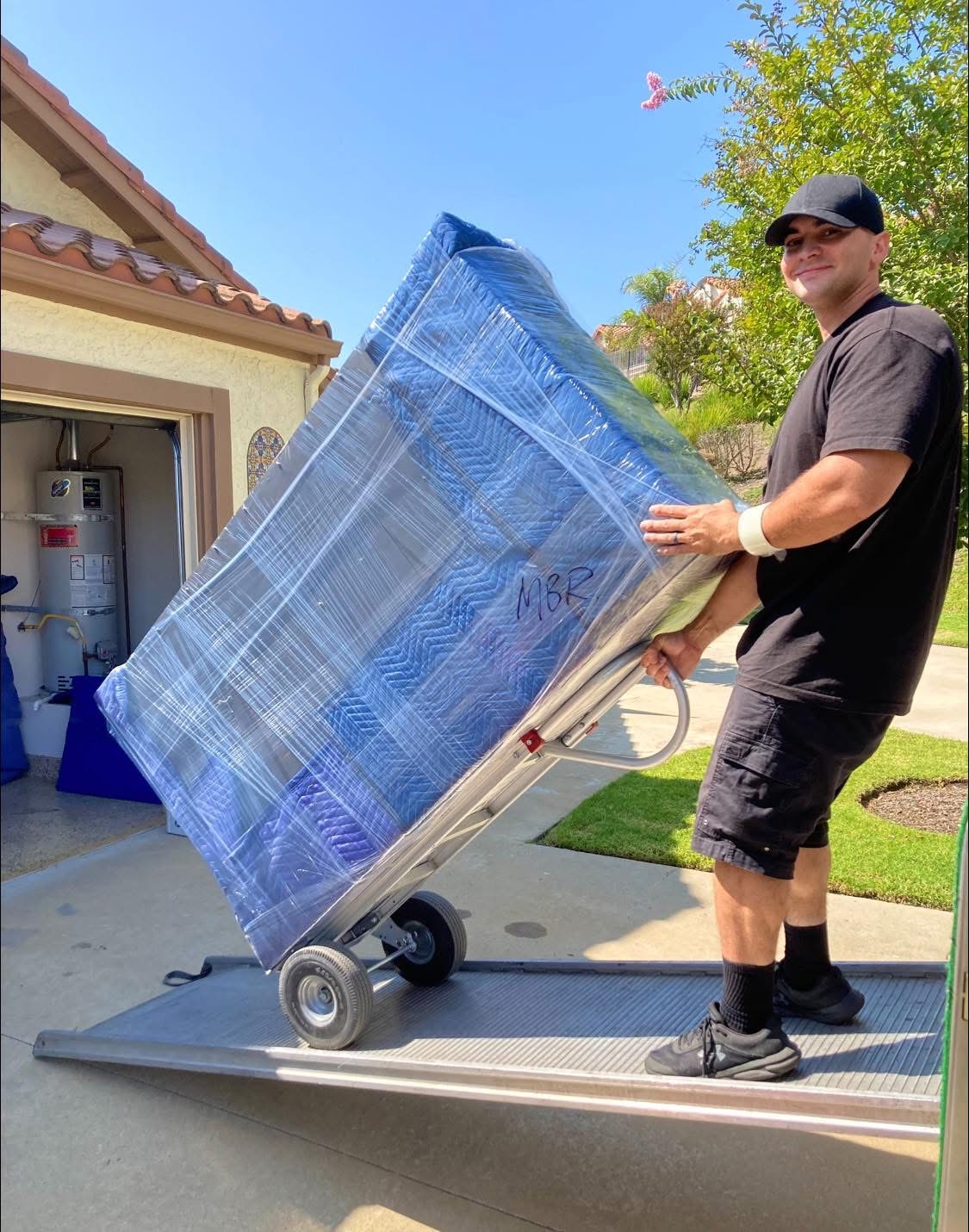
Fragility covers more than glass. Pianos, stone tables, and heirloom china require specialized packing. A marble top might need a custom crate or at least foam and a rigid sandwich to avoid stress points. Small investments in materials like double-walled dish barrels or picture cartons reduce the odds of a costly claim. For delicate items, the choice is often between a slightly higher upfront packing cost or rolling the dice on self-packing with mismatched boxes. The math tends to favor professional packing for anything irreplaceable.
Timing influences both rate and crew availability. End-of-month weekends are peak. Weekday moves, especially mid-month, give you more flexibility and sometimes a lower rate. For local residential moving, Mesa traffic patterns matter too. A 7 a.m. start beats an 11 a.m. load by a wide margin on hot days and helps crews avoid afternoon slowdown.
How affordable moves stay on schedule
Schedules slip when surprises meet tight estimates. The antidote is sequence discipline and clear roles. Think of the home in zones: living room staged for load, bedrooms staged, utility zones cleared, and paths taped and protected. When zones are prepared the night before, crews spend less time waiting for last-minute packing and more time moving weight.
A reliable pattern for a two-bedroom local move is a 3-person crew, one truck, and a 5 to 7 hour window, assuming ground floor or elevator access and no extreme fragility. That pace assumes the house is fully packed. If kitchen packing remains, the move can stretch. Each hour a crew waits on packing costs more than a packing kit would have. It is not uncommon to see an hour saved by pre-disconnecting appliances and capping water lines, or by bundling bed slats and hardware into labeled zipper bags taped to headboards.
When stairwells are tight, movers sometimes disassemble more than expected. Bed frames and sectional pieces that fit through a wide suburban staircase might not clear a narrow urban one. Planning for extra disassembly time keeps the day from collapsing under pressure at noon with a sofa stuck at the turn.
Choosing among residential moving companies without guesswork
Price transparency matters, but language clarity matters more. Ask how the company handles overage. Is there a guaranteed-not-to-exceed figure? If the inventory grows on move day, are rates fixed per hour or per item? Do they bill drive time between locations? What is the claim process timeline? Answers to these questions show how a company behaves when friction appears.
Residential moving companies vary in their specialization. Some are great at high-rise logistics and freight elevator diplomacy. Others excel in single-family homes with complex garages and yards that require creative pathways. If your move includes a piano, a gun safe, or a saltwater aquarium, make sure your mover has those exact tasks in their recent past.

Local residential moving in Mesa also benefits from crews familiar with HOA rules, desert landscaping obstacles, and typical driveway angles for box trucks during monsoon season. A mover who has had to lay down temporary ramps on gravel or protect travertine with runners will simply move faster and safer in homes with similar surfaces.
A field-tested packing strategy that pays for itself
Packing quality is the best predictor of a seamless move. Full-service packing is convenient, but even a hybrid approach can drive affordability. Use professional packing for kitchens, framed art, and mirrors. Pack books, linens, and clothing yourself with consistent box sizes. Uniformity stacks well and prevents leaning towers in the truck.
Dish barrels, when used properly with cell dividers and paper, drastically reduce breakage. Glasses ride better upright, plates on edge, and bowls nested with padding. For art, mirror cartons with corner protectors and foam keep frames from flexing. TVs ship best in their original boxes, but there are adjustable TV boxes that restrain screens securely. The friction cost of finding a TV box is far lower than replacing a 55-inch panel.
Labeling matters. Use two points of information on each box: destination room and primary contents. Add a small note for priority boxes, such as first-night linens, coffee supplies, or router and cables. Crews can load priority boxes last so they unload first, saving you a late-night hunt.
Homelove Movers - AZ and the rhythm of a well-run local move
In practice, the difference between a competent move and a smooth one is choreography. On a recent two-bedroom move that included a piano and a tight condo elevator, the crew from Homelove Movers - AZ split responsibilities by pathways. One mover staged items at the door, one ran the elevator shuttle, and one built the truck stack with a fixed pattern: dresser backs to the bulkhead, sofa on edge, piano crated and strapped between soft goods. They had the freight elevator booked for a two-hour window. Because the staging matched the elevator cycle time, they avoided dead minutes between trips, finishing in one window rather than paying for a second block.
That approach is not flashy. It is simply the accrued habit of matching plan to the building’s constraints. Even small choices like pre-padding larger pieces in-unit, rather than at the truck, prevented dings on narrow drywall corners. When budget is tight, avoiding one patch and paint call is a win that never shows up on a quote, only in the lack of extra expense afterward.
The hidden costs of cheap materials and rushed packing
Saving five dollars on tape can cost you an hour on move day. Boxes with weak seams burst when lifted from the side. Single-layer boxes under a heavy load can belly out and shift the stack. Tape quality matters for speed too. A quiet, high-adhesion tape dispenser that tears cleanly saves minutes on every box. Multiply that by dozens or hundreds of seams and the time delta is obvious.
Rushed packing spreads chaos to the truck. Boxes without lids or with open tops cannot be stacked. Odd-shaped bundles slide. Movers then spend extra time building bridges around these obstacles, leading to wasted space and multiple trips. The cheapest outcome rarely involves corner-cutting. It involves a handful of correct choices made early: sturdy boxes, good tape, and padding for friction points.
How local residential moving in Mesa differs in small, important ways
Climate, neighborhood layouts, and building rules all affect the move. Heat management changes crew pacing and breaks. Older townhouse complexes may have low carports that block truck clearance. Newer subdivisions often restrict street parking during certain hours. Mesa’s monsoon bursts can dump water unexpectedly, so keeping mattress bags and shrink wrap handy protects soft goods when crossing uncovered stretches from home to truck.
A small example: during a late summer move, a crew paused https://telegra.ph/How-to-Get-Accurate-Quotes-from-Residential-Moving-Companies-01-26 packing a truck because an afternoon storm rolled in. Instead of hoping a plastic wrap would suffice, they staged the remainder of the load under a covered porch while runners kept floors clean inside. Ten minutes of delay saved the client’s dining chairs from water spotting on raw wood seats. That is affordable in the only way that matters, avoiding the sort of damage that costs days to repair.
Homelove Movers - AZ on estimating with honesty and buffers
No estimate survives contact with reality unless it includes buffer. Homelove Movers - AZ typically builds estimates with realistic windows, clear assumptions, and a list of decision points. If the client adds a storage stop, the estimate notes the likely time add. If there is a possibility of disassembling a large armoire, the estimate names the tools and extra padding required. This style of estimating sets expectations and prevents hard feelings when the day flexes. It also creates opportunities to save, like moving rugs and artwork in personal vehicles to free space on the truck and reduce load complexity.
Over time, patterns emerge. Moves that start on time with a fully packed kitchen beat their estimates more often than any other scenario. Moves that try to combine ongoing packing with loading fall behind. Sharing those patterns with clients is part of how good movers deliver affordable outcomes without tricks, just predictable execution.
What a truly seamless move day feels like
The house is staged the night before. Walkways are clear. A parts box sits by the door with Allen keys, driver bits, and hardware bags for beds and tables. The crew arrives, walks through the home, confirms the inventory, and notes the fragile and priority items. Floors get protected. The first hour is heavy on padding and staging, with larger items wrapped and tight corners assessed. By hour two, the truck stack is building layers, and the house is shedding weight. Fragile boxes ride high and centered. Hardware bags are taped to their parent pieces.
At the destination, the sequence reverses with one important twist: bed reassembly is prioritized early so there is somewhere to sleep if the day runs long. Appliances go last to allow for utility reconnection. The router and power strips are found quickly because they were marked and loaded last. Empty boxes get flattened in one designated corner of the garage, ready for recycling. By early evening, the home is functional even if not finished, and no one is digging through eight boxes for a toothbrush.
Two short checklists that keep costs in check
Pre-move staging checklist:
- Label every box with room and top three contents, and mark priority boxes with a star. Set aside a parts-and-tools box with drivers, bits, and hardware bags, and keep it with you. Measure large pieces and doorways, and plan disassembly for anything that will not clear. Reserve elevators and loading zones, and confirm truck parking with neighbors or HOA. Protect floors and doorframes with runners and padding before the crew arrives.
Smart decisions on move day:
- Start early, especially in hot months, to protect crew pace and avoid overtime. Keep paths clear and children or pets safely away from loading zones. Group art, mirrors, and TVs in a single staging area for faster specialized packing. Assign someone to answer crew questions and approve quick decisions on the fly. Hold back essentials like medications, chargers, and paperwork to travel with you.
Balancing DIY and professional help without overpaying
There is a sweet spot between full-service and DIY chaos. Pack what you can do consistently and safely: books, linens, pantry, and clothing. Leave kitchens, art, and fragile decor to pros. Disassemble simple beds if you have the tools and patience; ask movers to handle anything intricate or heavy. Transport plants, open liquids, and sentimental small items yourself. If you have a single awkward piece, like a treadmill or piano, have movers handle that even if you self-move most boxes. The labor you pay for should be the labor that saves you the most risk and time.
For local residential moving, Mesa residents sometimes opt to shuttle small boxes ahead in personal vehicles the day before. This makes sense if parking is easy and you are moving between nearby neighborhoods. It does not make sense if it creates fragmented tasks for the crew or multiple addresses on move day. Consolidated work is faster and therefore cheaper.
When storage enters the picture
Short-term storage can be a friction point. Partial loads that go to storage need to be packed for longevity and access, not just transport. If you will need winter coats or tools during storage, group them near the front of the unit and label the exterior of containers. Ask movers to build a stable stack in the unit with mattress bags protecting soft goods and a small walkway to reach desired boxes. A disorganized storage unit leads to future costs when you have to unpack to find a single item.
If you are between homes for a week or two, consider the load sequence carefully. Loading storage-destined items first keeps them deep in the truck, while immediate-use household items remain accessible. On delivery day, that planning flips and reduces handling time.
Lessons from edge cases and how to avoid them
Elevator outages happen. Power tools die. Keys get misplaced. Affordable moving services anticipate failure points and carry redundancies where it matters. A crew with extra drill batteries, spare straps, and a door stop kit recovers minutes every time one of those common hiccups occurs. If a building’s freight elevator fails, having furniture sliders and forearm straps can keep a move going on stairs without blowing up the timeline. None of this is glamorous, but it is exactly the sort of quiet competence that keeps the bill where it belongs.
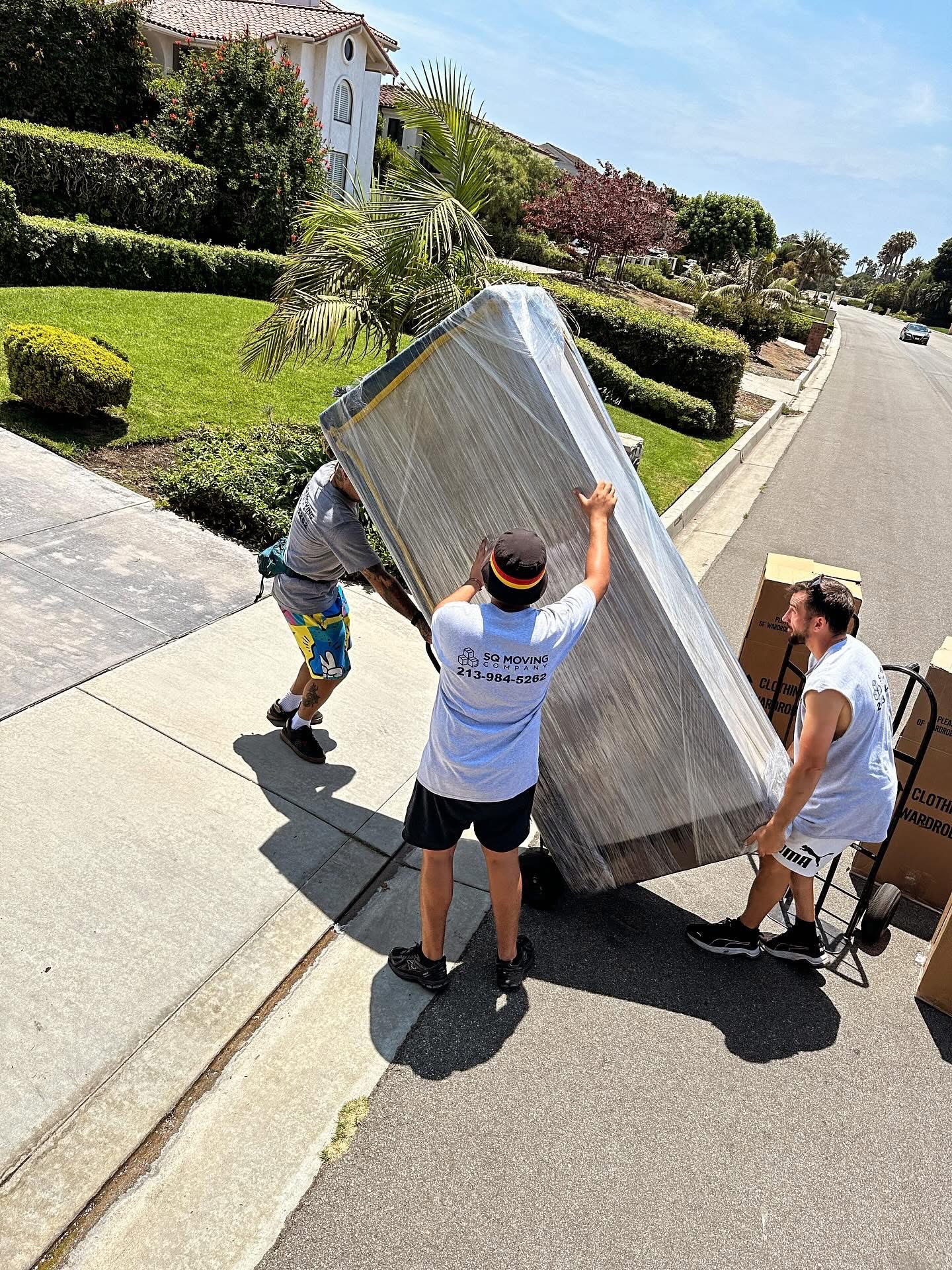
Weather is another edge case. Monsoon winds can push dust and rain sideways, so staging inside the threshold and relaying padded items under cover can make the difference between dry and damaged. Crews that bring enough shrink wrap, quilted pads, and banister protection have options. Options are the currency of an affordable outcome when conditions shift.
How Homelove Movers - AZ builds crews for residential moves
Crew composition matters as much as headcount. Homelove Movers - AZ often pairs a strong lead with two movers who complement each other’s strengths, one with a knack for disassembly and hardware tracking, another with a good eye for truck geometry. That team balance shortens setup time and reduces rework. When a lead anticipates the next three moves, load flow feels almost effortless.
On a recent job with a third-floor walk-up and narrow turns, the lead staged mattresses as temporary wall shields at the stair corners. It meant slightly more padding swaps but zero wall marks, and the time saved on avoiding repairs dwarfed the minute spent moving a mattress out of the way. These small tactical choices accumulate into the difference between an estimate met and an estimate exceeded.
Final guidance for a move that is both affordable and humane
Spend your money where it saves pain and risk: good materials, skilled packing for fragile items, and crews with a track record in your type of home. Lock down the details that derail schedules, like elevator reservations and parking. Stage the house with clear paths and organized zones. Keep an eye on the few tasks that create outsized delays, such as last-minute kitchen packing or scrambling for missing Allen keys.
Residential moving should feel like a well-planned handoff from one home to the next. Affordable moving services exist at the intersection of preparation and craft. Whether you choose a full-service package or a hybrid approach, aim for clarity, rhythm, and honest estimates. With the right decisions made early, local residential moving in Mesa can be a straightforward day’s work rather than an ordeal, and you can end the evening with your bed assembled, your router blinking, and your coffee maker ready for the morning.